Back
  • Home
  • April 9th, 2026 Session Schedule
  • April 10th, 2026 Session Schedule
  • Previous Symposium Schedules
  • Library
  • mySRSU
  • SR Info
  • Sul Ross
SRSU Research Symposium
  • Home
  • April 9th, 2026 Session Schedule
  • April 10th, 2026 Session Schedule
  • Previous Symposium Schedules
search SRSU

April 10th, 2026 Session Schedule

  • Home
  • April 10th, 2026 Session Schedule

2026 SRSU Student Symposium – In-Person Presentation Schedule
Friday, April 10th, 2026

Click on a Session Time (left row of the schedule below) to jump down the page and view the Presentation Abstracts for that Session Time.

Noon-12:50

SRSU In-Person Symposium Spotlight Event:
2026 Keynote Address 

Welcome and Keynote Introduction – Dr. Laura Payne
Dean of the Colleges of Graduate Studies and Literature, Arts & Social Sciences (LASS)

 
Keynote Speaker –
Dr. Martin Guevara Urbina
SRSU Professor of Criminal Justice
Outstanding Scholar Award Winner 2024
 Noon to 12:45 on 04/10/2026 at the UC Espino Center Alpine Campus


To view keynote photos & bios click on “Noon to 12:50” session time at left

View the 2026 SRSU In-Person Student Symposium Program
Fill out a 2026 Student In-Person Symposium General Evaluation Form

Session
Time

UC Espino
Room A

UC Espino
Room
B
UC Espino
Room
C/D
UC Espino
Room 210

1:00-1:50


Room A Moderator:

Dr. Devin Pettigrew
Small Teams

.
1:00-1:15 pm
Presenters:
Jackson Bussey, Kalavati Caulfield, 
Title: “Honors Program Panel Discussion“
1:00-1:15 pm
.
1:20-1:35 pm
Presenters:
Saul Hernandez, Michelle Olivas
Title: “Mock Trial Program: Cross Examination“
1:20-1:35 pm
.
1:40-1:55 pm
No Presenter

Room B Moderator:
Dr. Jessica Velasco / Dr. Joseph Velasco

.
1:00-1:15 pm
Presenter:
Alonzo Martinez
Title: “Independence in Practice?“
1:00-1:15 pm
.
1:20-1:35 pm
Presenter:
Bailey Larremore
Title: “A Bone of a Different Stripe: Using ZooMS to Identify Ivory“
1:20-1:35 pm
.
1:40-1:55 pm
Presenter: Isaiah Olayinka
Title: “Reforming the Federal Reserve: Why America Needs More Transparency and Accountability”
1:40-1:55 pm

Room C/D Moderator:
Dr. Ryan Luna

.
1:00-1:15 pm
Presenter: Shelby duPerier
Title: “Distribution of High-Elevation Owls in the Davis Mountains, Texas“
1:00-1:15 pm
.
1:20-1:35 pm
Presenter:
Curtis Martin
Title: “Comparing Presence and Absence Methods for Detecting Montezuma Quail“
1:20-1:35 pm
.
1:40-1:55 pm
Presenter:
Kevin LeGrow
Title: “Mule Deer in the Trans-Pecos: Using Satellite Technology for Habitat Monitoring”
1:40-1:55 pm

Room 210 Moderator:
Dr. Justin French

.
1:00-1:15 pm
Presenter: Andrew Dotray
Title: “Movement and Social Responses of Aoudad and Mule Deer to Population Management Efforts“
1:00-1:15 pm
.
1:20-1:35 pm
Presenter:
Amanda Piper
Title: “Structural Geology of the Upper Cretaceous Boquillas Formation in Javelina Draw, Big Bend National Park, Texas“
1:20-1:35 pm
.
1:40-1:55 pm
Presenter:
Ty Goodwin
Title: “The Role of Soil Type and Grazing Systems in Shaping Desert Grassland Ecosystems”
1:40-1:55 pm

2:00-2:50


Room A Moderator:

Dr. Kendra DeHart
Extended Presentation Time

.
2:00-2:55 pm
Presenter:
Mateo Miranda, Tyler Staton, Landon Velasco
Title: “Commemorating the 250th Anniversary of the Birth of the United States“
2:00-2:55 pm


Room B Moderator:
Sid Balma

.

2:00-2:15 pm
Presenter:
Maya Tiinajero
Title: “Impact of Moving The Skyline Student Newspaper from Print to Digital“
2:00-2:15 pm
.
2:20-2:35 pm
Presenter:
Tina Neufeld
Title: “The Effects of Ecotourism on Groundwater Resources in Brewster County, Texas“
2:20-2:35 pm
.
2:40-2:55 pm
Presenter:
Sadie Cardwell
Title: “The Gluten Gable: Difficulties Dining Out with Gluten Free Needs“
2:40-2:55 pm


Room C/D Moderator:
Dr. Ryan Luna

.
2:00-2:15 pm
Presenter:
Bryce Mann
Title: “Assessment of Wetland Dynamics in the Chihuahuan Desert as Habitats for Migratory Birds“
2:00-2:15 pm
.
2:20-2:35 pm
Presenter:
Eliana Goodwin
Title: “Grassland Habitat for Pollinators Under Various Mowing Regimes at Fort Davis National Historic Site, Texas”
2:20-2:35 pm
.
2:40-2:55 pm
Presenter:
Sarah Jane ‘SJ’ Gilbert
Title: “Grazing Across Time: Evaluating Long-Term Vegetation Changes in Desert Grasslands Under Continuous and Rotational Livestock Systems“
2:40-2:55 pm

Room 210 Moderator:
Dr. Jesse Kelsch

.
2:00-2:15 pm
Team Presenters:
Ryan Frederick Smith
Title: “Lesser-Known Cretaceous Dinosaur Tracks in West Texas“
2:00-2:15 pm
.
2:20-2:35 pm
Presenter:
Carissa Chambers
Title: “Digital Outcrop Analysis of the Grotto Fault: Integrating Structure from Motion Photogrammetry and Virtual Reality Geological Studio for Fracture Analysis“
2:20-2:35 pm
.
2:40-2:55 pm
No Presenter

3:00-3:50
3:00 – 3:50 POSTER PRESENTATION BLOC in UC FOYER

3:00-3:50

.
Poster Presenter:
Victoria Aguayo

Faculty Advisor: Thornton Larson
Title: “Morphological Differences Between Urban and Rural Populations of the Rio Grande Leopard Frog (Lithobates Berlandieri)”
.
Poster Presenter:
Daisy Barraza

Faculty Advisor: Thornton Larson
Title: “Phylogenetic analysis and species diversity of the frog genus, Leptobrachella Smith 1925 (Anura: Megophryidae) in Southeast Asia” 
.
Poster Presenter:
Emilie Brochon
Faculty Advisor: Ryan Luna Title: “Using Autonomous Recording Units to Investigate Montezuma Quail Occupancy Across the Trans-Pecos, Texas” 
.
Poster Presenter:
Luke Christensen

Faculty Advisor: Carlos Gonzalez Title: “UAV and GPS Applications for Understanding Scaled Quail Habitat in the Chihuahuan Desert”
.

.
Poster Presenter:
 
Austin Drews
Faculty Advisor: Thomas Shiller
Title: “Preliminary Findings from a New Eocene Fossil Site in the Pruett Formation, Brewster County, Texas”
.
Poster Presenter: 
Ariana Escalante
Faculty Advisor: Christopher Herrera
Title: “Sleep Quality, Daytime Functioning, and Academic Success in College Students: The Role of Athletic Participation, Housing Context, and Sex Differences”
.
Poster Presenter: 
Adrian Estrada
Faculty Advisor: Jennifer Miller-Ray
Title: “Sul Ross State University K-12 AI Capacity Building: STEM Teacher Leadership for High-Need Rural Communities.”
.
Poster Presenter: 
Victoria Filz 
Faculty Advisor: Thornton Larson
Title: “Pedigree and Genomic Analysis in Caspian Horses across the United States Breed Stock”
.

.
Poster Presenter:

Erick Herrera
Faculty Advisor: Elizabeth Measures Title: “Remediation of Rodent Damaged Paleontological Samples”
.
Poster Presenter:
Johnette Zapalac-Janecka
Faculty Advisor: Maureen Frank
Title: “Land owners perceptions of Western Cattle-egrets”
.
Poster Presenter:
Christian Lewis
Faculty Advisor: Carlos Gonzalez
Title: “Using Drones to Compare Differences in Spatial Arrangement of Vegetation Under Continuous and Rotational Grazing”
.
Poster Presenter:
Yamilet Martinez
Faculty Advisor: Alicia Trotman
Title: “Crossing divisions in college athletics: Examining the tie between burnout and early sport specialization among female athletes”
.

.
Poster Presenter:
Christopher Mott 
Faculty Advisor: Carlos Gonzalez-Gonzalez 
Title: “Dung Beetle Diversity In Grazing Regimes Of Desert Grasslands”
.
Poster Presenter:
Cameran Ochoa 
Faculty Advisor: Jennifer Miller-Ray
Title: “Exploring Innovation STEM Camp Influences on Middle School Student Attitudes Toward Science Careers”
.
Poster Presenter:
Nathan Setser
Faculty Advisor: Thomas Shiller
Title: “Application of Three-Dimensional Modelling on Cretaceous Vertebrate Fossil Bones from the Big Bend of Texas”
.
Poster Presenter Team:
Kimberly Lara
Kyndell Garcia
Faculty Advisor: Veronica Arredondo
Title: “Frontiers of Health: The Rural West Texas Study – A Community Sharing Rural Health in Rural West Texas”
.
4:00-4:50


Room A Moderator:
Dr. Alicia Trotman
Small Teams

.
4:00-4:15 pm
Presenter:
Diana Becerra, Loren Loveless, Ajanae Lowery, Victoria Owens, Candes Ramon, Gysel Serna
Title: “Behind the Badge: The Role of Personality Traits and the Effectiveness of Law Enforcement Officers“
4:00-4:15 pm
.
4:20-4:35 pm
Presenter:
Ernests Locmelis
Title: “Navigating Athletic Identity, Acculturative Stress, and Psychological Well-Being: International Athletes’ Transitions into U.S. Collegiate Sport“
4:20-4:35 pm
.
4:40-4:55 pm
No Presenter


Room B Moderator:
Dr. Chris Herrera

.
4:00-4:15 pm
Presenter:
Ariana Escalante
Title: “Sleep Quality, Daytime Functioning, and Academic Success in College Students: The Role of Athletic Participation, Housing Context, and Sex Differences“
4:00-4:15 pm
.
4:20-4:35 pm
Presenter:
Andrey Dubovik
Title: “Optimizing IT Operations by Using SOPs to Enhance Student and Faculty Experience“
4:20-4:35 pm
.
4:40-4:55 pm
No Presenter
.

Room C/D Moderator:
Dr. Ryan Luna

.

4:00-4:15 pm
Presenter:
Jesse Elgren 
Title: “Impacts on Wildlife Community Assemblage in the Borderlands of Southwest Texas From Anthropogenic Influences and Resource Availability”
4:00-4:15 pm
.
4:20-4:35 pm
Presenter:
Halli Lovell
Title: “Identifying Scalable Algorithms for Measuring Brush Impacts on Pronghorn Habitat at Ecoregion Scale”
4:20-4:35 pm
.
4:40-4:55 pm
Presenter: Hayley Shultz 
Title: “Year-Round Seasonal Variation Effects on Scaled Quail Movement in the Trans-Pecos“
4:40-4:55 pm
.

Room 210 Moderator:
Dr. Justin French

.
4:00-4:15 pm
Presenter:
Salisa Wellenreuther
Title: “Friends Forever: A Short Story, by Salisa Wellenreuther“
4:00-4:15 pm
.
4:20-4:35 pm
Presenter:
Humberto Moreno
Title: “Exploring Police Cadets’ Ethical Perceptions in Hypothetical Misconduct Scenarios Continued“
4:20-4:3 5 pm
.
4:40-4:55 pm
Presenter: Jack Bussey
Title:
“Comparison of Remote Monitoring Methods for Ducks in the Trans-Pecos“
4:40-4:55 pm
.

5:00-5:50


Room A Moderator:

Dr. Thorton Larson

.
5:00-5:15 pm
Presenter:
Salisa Wellenreuther
Title: “An Analysis of the Making and Unmaking of Mary Shelley’s Frankenstein“
5:00-5:15 pm
.
5:20-5:35 pm
Presenter:
Thomas Levrie
Title: “Microhabitat Patterns of the Crevice Spiny Lizard Across the Trans-Pecos Region“
5:20-5:35 pm
.
5:40-5:55 pm
Presenter:
Asia Cornelius
Title: “Below Ground Processes Shaping Arid Rangelands”
5:40-5:55 pm
.


Room B Moderator:

Dr. Clifton Albrecht
.
5:00-5:15 pm
Presenter:
Diana Flores
Title: “Ancient Squash in the American Southwest: A SEM-Based Comparative Guide for Identifying Archaeological Cucurbita“
5:00-5:15 pm
.
5:20-5:35 pm
Presenter:
Kerry Laird
Title: “Live Forward: Rethinking Ability, Identity, and Adaptation“
5:20-5:35 pm
.
4:40-4:55 pm
No Presenter
.


Room C/D Moderator:
Dr. Ryan Luna

.

4:00-4:15 pm
Presenter:
Maggie Rector 
Title: “How Do Mule Deer Cope with Drought and Competition in the Trans-Pecos Region, Texas?”
4:00-4:15 pm
.
4:20-4:35 pm
Presenter:
Kendall Christensen
Title: “Moisture Retention Strategies Facilitate Native Perennial Communities on Oil and Gas Pad Restoration Sites”
4:20-4:35 pm
.
4:40-4:55 pm
No Presenter
.


No Scheduled 5pm Sessions


Noon – 12:50pm Symposium Spotlight Event – Welcome and Symposium Keynote Address

Noon-12:40pm / SRSU In-Person Symposium Spotlight Event
Welcome & Keynote Introduction – Dr. Laura Payne
Dean of the Colleges of Graduate Studies and Literature, Arts & Social Sciences (LASS)

Keynote Speaker – Dr. Martin Guevara Urbina
Dr. Martin Guevara Urbina, PhD is a Mexican American author, writer, researcher, speaker, distinguished Criminal Justice professor, and the 2024 SRSU Outstanding Scholar award winner.
CLICK HERE TO VIEW KEYNOTE ADDRESS VIDEO
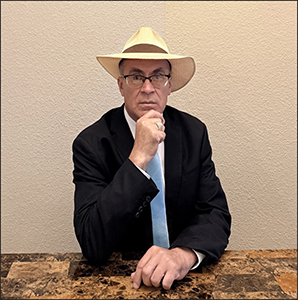
Keynote Bio:
Dr. Martin Guevara Urbina, PhD, a native of San Miguel de Allende, Guanajuato, Mexico, is a Mexican American author, writer, researcher, professor, and speaker. As a sociologist and criminologist, he has engaged in an intensive academic research, publication, and discourse agenda designed to provide readers with evidence-based information on ethnic and racial minorities in the United States. His emphasis is on the exploration of the Latino experience, in particular, the Mexican American experience.

Professor Urbina is a Distinguished Professor of Criminal Justice at Sul Ross State University International where he has received the President’s Distinguished Faculty Achievement Award in 2019 and the Outstanding Scholar Award in 2024. Professor Urbina is the author, coauthor, or editor of over 90 scholarly publications on a wide range of topics, including 14 academic books as well as a poetry book, a children’s book, and a spiritual book. His work has been published in national and international academic journals. His work has been cited in popular media and he has made numerous appearances on radio and television.

Two of Professor Urbina’s academic books are included in “100 Best Immigration Law Books of All Time” by BookAuthority.org. On this list, his book Hispanics in the U.S. Criminal Justice System was ranked #1 and his book Immigration and the Law was ranked in the top 20. Also, his book Latino Access to Higher Education was reviewed and designated a Choice Outstanding Academic Title. His books, commentary, and reviews of his books can be found at http://amazon.com/author/martin.guevara.urbina.

Recently Professor Urbina was named as one of the most influential criminologists of the last decade by Academic Influence in “Top Influential Criminologists Today.”

Jump Back Up to Schedule

1:00 – 1:50pm Session Bloc Presentations – Student Information and Abstracts

1:00-1:15pm / UC Espino Room A – Room Moderator: Dr. Devin Pettigrew

Undergraduate
SRSU Alpine 
Title: Honors Program Panel Discussion 
Team Presenters:  Jackson Bussey, Kalavati Caulfield
Honors Program 
ABSTRACT: The Sul Ross Honors Program offers students an opportunity to excel in college and beyond, enriching their academic experience, earning meaningful recognition at graduation, and demonstrating their potential to future employers. In this session, students from the Sul Ross Honors Program present work that has engaged and excited them during their time at Sul Ross State University. First, Kalavati Caulfield introduces the SRSU Honors Program, discusses her experiences to date, and outlines the benefits of the program and the directions she and the program are taking. Then Jackson Bussey presents research representative of an experienced honors student, comparing methods for tracking waterfowl in the Trans-Pecos.
.
1:20-1:35pm / UC Espino Room A – Room Moderator: Dr. Devin Pettigrew

Undergraduate
SRSU Alpine
Title: Mock Trial Program: Cross Examination 
Team Presenters: Saul Hernandez, Michelle Olivas 
Criminal Justice 
ABSTRACT: This is a murder trial. The victim was killed during a theatre production rehearsal involving two friends. A defense attorney is cross-examining a witness. The defense attorney is tasked with representing the best interests of the defendant, who is being charged with murder by the prosecution. The rules of criminal procedure, the rules of evidence, and the proper expectations of adversarial proceedings in a court of law are being observed.
.
1:00-1:15pm / UC Espino Room B – Room Moderator: Dr. Jessica Velasco/Dr. Joseph Velasco

Graduate
SRSU Alpine
Title: Independence in Practice? 
Presenter: Alonzo Martinez 
Public Administration/Education 
ABSTRACT: Of the 1,024 public school districts in Texas, compliance with state mandates varies considerably. This study uses House Bill 1481, legislation banning cell phones in public schools, as a case study in noncompliance. In theory, school districts function as independent local governmental bodies; this research examines the extent to which that is true and which variables shape district behavior regarding mandate compliance. Drawing on efficacy literature and administrative theory, this study posits that resources shape district behavior. Two hypotheses guide the compliance analysis: H1 — districts proposing bond elections are more likely to comply with mandates — and H2 — districts with multi-year budget deficits are less likely to comply. A cross-sectional study is conducted to assess compliance and resource variables, employing a Mann-Whitney U test to identify statistically significant relationships. This study seeks to advance understanding of local government entities and their responses to state mandates.
.
1:20-1:35pm / UC Espino Room B – Room Moderator: Dr. Jessica Velasco/Dr. Joseph Velasco

Undergraduate
SRSU Alpine
Title: A Bone of a Different Stripe: Using ZooMS to Identify Ivory 
Presenter: Bailey Larremore 
Anthropology / McNair / CBBS 
ABSTRACT: Surprise Rockshelter is located within the Sierra Vieja mountain range in the southern portion of Presidio County, Texas. The site was excavated by the Center for Big Bend Studies in 2011 and 2012, with no subsequent analysis of the recovered materials having been completed. As part of my McNair research project, I undertook this analysis, focusing primarily on animal bones to assess diet. This resulted in the examination of 119 bone fragments, most of which derive from small mammals. While this analysis did not yield sufficient data to assess diet, a piece of ivory was recovered. This ivory could originate from an extinct Pleistocene animal or have been acquired through trade. Radiocarbon assays from the site indicate it was occupied exclusively within the last thousand years, meaning the ivory fragment could be considerably older than the occupation itself. To identify the animal from which this ivory derives, a collagen sample was extracted and analyzed using ZooMS (Zooarchaeological Mass Spectrometry), a technique that uses collagen extracted from faunal remains such as bone, ivory, antler, and other tissues. The sample is analyzed using a mass-to-charge ratio obtained through chemical and electromagnetic agitation. If the ivory originates from the Pleistocene, the implications would be significant, raising numerous questions about how this artifact came to be deposited at such a recently occupied site. This presentation discusses how ZooMS analysis works, the results of this analysis, and the research questions they generate regarding the ivory.
.
1:40-1:55pm / UC Espino Room B – Room Moderator: Dr. Jessica Velasco/Dr. Joseph Velasco

Undergraduate
SRSU Alpine
Title: Reforming the Federal Reserve: Why America Needs More Transparency and Accountability 
Presenter: Isaiah Olayinka 
Political Science/Communication / McNair 
ABSTRACT: This presentation examines the history, structure, and influence of the Federal Reserve and considers why reform may be necessary to improve transparency and accountability. Established in 1913, the Federal Reserve was designed to stabilize the U.S. financial system and manage monetary policy. Over time, however, it has gained significant influence over interest rates, inflation, employment conditions, and the overall strength of the economy. Because its decisions directly affect the daily lives of American citizens, questions about oversight and transparency have become increasingly important.
This presentation briefly examines how the Federal Reserve was established and how its structure has evolved. It also addresses concerns about limited transparency in its decision-making process, including delayed transcript releases and forecasting errors. Rather than arguing for abolishment, it proposes practical reforms aimed at increasing public trust while maintaining economic stability, including improving access to information and strengthening oversight.
Overall, this presentation aims to encourage thoughtful discussion about the balance between central bank independence and democratic accountability.
.
1:00-1:15pm / UC Espino Room C/D – Room Moderators: Dr. Ryan Luna

Graduate
SRSU Alpine
Title: Distribution of High-Elevation Owls in the Davis Mountains, Texas 
Presenter: Shelby duPerier 
Wildlife Management /  PPOHA / BRI 
ABSTRACT: Several mountain ranges within the Chihuahuan Desert receive more precipitation and experience cooler temperatures than the surrounding lowland desert. This “sky island” effect allows for more diverse ecosystems within these mountain ranges, which support high-elevation bird species uncommon to the area. Due to the rugged and remote nature of the Chihuahuan Desert mountains, the occurrence and distribution of high-elevation species are poorly understood, especially for nocturnal birds. Passive acoustic monitoring paired with deep learning neural networks shows promise in increasing detection of elusive birds. This study aims to evaluate vocal patterns and trends of nocturnal bird species in the Davis Mountains, particularly flammulated (Psiloscops flammeolus) and northern saw-whet (Aegolius acadicus) owls. Using autonomous recording units (ARUs), owls were monitored in 2024 and 2025 at the Davis Mountains Preserve (DMP). Data were collected from March through August, coinciding with the breeding season, when calling activity is most frequent. Twenty-five ARUs were deployed across the DMP in suitable owl habitat and programmed to record during peak vocal activity (two to three hours after sunset and one hour before sunrise). Audio recordings were processed using BirdNET. Preliminary results confirm the presence of all three target species within the preserve. Subsequent analyses will refine ARU recording times and placement, identify peak calling periods, and distinguish calling activity associated with territory defense, mating, or predator response.
.
1:20-1:35pm / UC Espino Room C/D – Room Moderators: Dr. Ryan Luna

Graduate
SRSU Alpine
Title: Comparing Presence and Absence Methods for Detecting Montezuma Quail 
Presenter: Curtis Martin 
Wildlife Management / BRI 
ABSTRACT: Montezuma quail are an understudied game bird species that primarily resides in Mexico but can also be found in parts of Arizona, New Mexico, and Texas. Their range within Texas includes the Edwards Plateau and Trans-Pecos regions. One reason the ecology of Montezuma quail remains poorly understood is their cryptic behavior of crouching and freezing when approached, which makes them difficult to detect. To better detect Montezuma quail presence, I assessed two different presence/absence survey methods to determine which is more effective at detecting this elusive species. For the first method, I used autonomous recording units (ARUs) to obtain vocal detections; for the second, I used plot surveys to visually detect Montezuma quail digging sign. The study was conducted at the Davis Mountains Preserve in Jeff Davis County during the breeding season. I randomly selected 16 locations using ArcGIS and placed ARUs at those locations in early June 2024. Each ARU was programmed to record at ten-minute-per-hour intervals for three hours beginning at sunrise. I conducted plot surveys within a 200 m buffer around each ARU between June and July 2024, with a two-week interval between surveys to limit potential disturbance to Montezuma quail. I used BirdNET to process two weeks of recordings from each ARU, up to the date on which plot surveys were completed. In total, ARUs detected presence at 15 locations while plot surveys detected presence at only 9 locations. These results indicate that ARUs are the more effective approach for detecting Montezuma quail using these methods
.
1:40-1:55pm / UC Espino Room C/D – Room Moderators: Dr. Ryan Luna

Graduate
SRSU Alpine
Title: Mule Deer in the Trans-Pecos: Using Satellite Technology for Habitat Monitoring 
Presenter: Kevin LeGrow  
Range and Wildlife Management / BRI 
ABSTRACT: Mule deer (Odocoileus hemionus) are a species of management concern in Texas because of their economic importance, and declining populations in some eco-regions of Texas. While many factors may contribute to population declines, brush encroachment degrades mule deer habitat quality throughout their range. We will study the influences of brush encroachment on habitat selection within a population of mule deer in the Trans-Pecos eco-region of Texas and the consequences of that selection for individual survival. From 2015 to 2023, 96 mule deer at Black Gap Wildlife Management Area (BGWMA) were fitted with GPS collars. We will be using Integrated Step Selection Analysis (iSSA) as the framework to analyze the GPS data and add in brush density as one of the environmental covariates. To estimate brush density, we will use a novel approach combining field vegetation data, rasters of the modified soil adjusted vegetation index (MSAVI), and Functional Principal Component Analysis (fPCA) to relate vegetation dynamics to brush canopy cover. We hypothesize that the variation in vegetation phenology will show a pattern that will allow us to determine the difference between woody and herbaceous vegetation and ultimately be used to estimate brush canopy cover at a landscape scale. We found that patterns of vegetation phenology are indicative of the degree of brush canopy cover (exp(β) = 1.10, p = 0.362, 95% CI = 0.88 – 1.37). However, we require additional sampling to achieve sufficient precision to predict over landscape scales. This framework could then be used to monitor mule deer habitat quality via satellite, facilitating mule deer habitat improvements.
.
1:00-1:15pm / UC Espino Room 210 – Room Moderator: Dr. Justin French

Graduate
SRSU Alpine
Title: Movement and Social Responses of Aoudad and Mule Deer to Population Management Efforts 
Presenter: Andrew Dotray 
Wildlife Management / BRI 
ABSTRACT: The interactions between non-native aoudad (Ammotragus lervia) and mule deer (Odocoileus hemionus) are poorly understood. They likely compete at greater population densities, and mule deer may shift space use to mitigate resource competition. We sought to understand how aoudad population reduction via aerial gunning affects the space use of both species. We predicted that aoudad would shift their ranges to minimize visibility following population reduction. In April 2023, we captured and collared 40 aoudad and 40 mule deer in the Chinati and Quitman mountain ranges in the Trans-Pecos. To assess the response of both species to aoudad reduction, we lethally removed aoudad (n = 7,268) from the Chinati Mountains in August 2024 and June 2025. We estimated monthly space use of both species using Brownian bridge estimators. We used generalized additive models with a gamma distribution and log-link to examine the effects of aerial gunning on aoudad range sizes. The top model included a slow decay rate in the effect of aerial gunning on monthly range size (ΔAIC = −4.67, R² = 6.87). Aoudad range sizes shrank proportionally by 28% (exp(β) = 0.72, 95% CI = 0.59–0.96) following aerial gunning but returned to pre-gunning sizes within 252 days. However, wide prediction intervals suggest high variation among individuals in both range size and the rate of return to pre-gunning averages. Neither aoudad nor mule deer dispersed from the treated area in response to aerial gunning. These results suggest that aoudad reduce movement in response to treatment and that aerial gunning did not displace either species.
.
1:20-1:35pm / UC Espino Room 210 – Room Moderators: Dr. Justin French

Graduate
SRSU Alpine
Title: Structural Geology of the Upper Cretaceous Boquillas Formation in Javelina Draw, Big Bend National Park, Texas 
Presenter: Amanda Piper 
Structural Geology / PPOHA 
ABSTRACT: The Big Bend region of west Texas was subjected to a series of tectonic events that influenced the orientation of exposed geologic structures. Most structures visible today in Big Bend National Park (BBNP) reflect the most recent tectonic events, including the Cretaceous-Paleogene Laramide orogeny and Late Cenozoic Rio Grande rift extension. Javelina Draw, located on the western flank of the Sierra del Carmen, exposes meso-scale folds likely reflecting the shortening associated with the Laramide orogeny. The folds exposed within Javelina Draw contain abundant fractures and slip surfaces that may record the kinematic history of the structure.
This study integrates field-based research, structural analysis, and high-resolution digital outcrop modeling (DOM) to analyze fractures within the folds exposed at Javelina Draw. Methods rely on joint and fracture analysis to constrain the regional tectonic history and strain orientation of the fold, as well as strength analysis to compare variable fracture occurrences to rock strength. Kinematic indicators such as slickenline data from slip surfaces will inform an interpretation of the strain history of the fold structure. Rock-strength variability across the fold structures will be analyzed to determine axes of strain during Laramide deformation and to further understand the regional deformation history of BBNP. Additionally, outcrop strength testing will supplement the DOM to characterize how fracture patterns may influence rock strength. Although the region has been mapped previously, a detailed structural analysis of the fold structures in Javelina Draw has not yet been published.
.
1:40-1:55pm / UC Espino Room 210 – Room Moderators: Dr. Justin French

Graduate
SRSU Alpine
Title: The Role of Soil Type and Grazing Systems in Shaping Desert Grassland Ecosystems 
Presenter: Ty Goodwin 
Range Management / BRI 
ABSTRACT: Desert grasslands are crucial ecosystems to humanity that support a diverse array of wildlife species and provide valuable resources for livestock production. However, due to low and variable rainfall, the Trans-Pecos desert grasslands are vulnerable to severe habitat degradation if livestock operations over use delicate resources. The choice of grazing system has long been debated, with proponents arguing that one offers greater benefits in meeting a landowner‚ Äôs goals and sustaining functioning rangelands. Therefore, this project aims to identify and compare grass species cover, annual forage production, and soil moisture between a rotational, continuous, and exclosed grazing systems in a desert grassland of the Trans-Pecos ecoregion of Texas. I randomly placed 690 0.25 m2 plots in present grazing systems on the Mimms Unit, confined to two soil types (Marfa-clay-loam [MCA] and Musquiz-clay-loam [MZA]). I collected after the growing seasons of 2023 with ~250 mm and 2024 with ~75 mm total precipitation. Grazing systems, soil type, their interaction, and annual conditions did not affect forage production inside of banded vegetation. Both the rotational and continuous system increase species richness. The continuous system increased soil moisture on both soils and increased the amount of vegetation proportion of the landscape on the MZA soils. The rotational system has similar effects on vegetation as no grazing. The severe drought of 2024 negated any major effects from grazing systems. This study highlights the intricate relationships between grazing systems, soil types, and soil moisture for applying grazing systems as a restoration and conservation tool for rangeland management.
.
   

Jump Back Up to Schedule

2:00 – 2:50pm Session Bloc Presentations – Student Information and Abstracts

EXTENDED TIME -2:00-2:55pm / UC Espino Room A – Moderator: Dr. Kendra DeHart

Undergraduate
SRSU Alpine
Title: Commemorating the 250th Anniversary of the Birth of the United States 
Presenters: Mateo Miranda, Tyler Staton, Landon Velasco
History / HIST 3311 Class – Student group discussion, event or panel
Panelist 1: Landon Velasco – Paper Presentation: “The Mentality of Colonial America and The Road to Revolution”
Panelist 2: Mateo Miranda – Paper Presentation: “Turning Points in the Battlefront of the Revolutionary War”
Panelist 3: Tyler Staton – Paper Presentation: “How the American Revolution Correlates with Nationalism and Patriotism”
ABSTRACT: Students in HIST 3311-The Study of History will discuss their perceptions of the American Revolution and why it matters today.
.
2:00-2:15pm / UC Espino Room B – Room Moderator: Sid Balman

Undergraduate
SRSU Alpine
Title: Impact of Moving The Skyline Student Newspaper from Print to Digital 
Presenter: Maya Tiinajero  
English/Communications 
Skyline Newspaper 
ABSTRACT: The award-winning Skyline student newspaper has transitioned from print to digital, significantly expanding distribution and unique visits while achieving substantial cost savings.
.
2:20-2:35pm / UC Espino Room B – Room Moderator: Sid Balman

Graduate
SRSU Alpine
Title: The Effects of Ecotourism on Groundwater Resources in Brewster County, Texas 
Presenter: Tina Neufeld  
Hydrology / PPOHA / Rio Grande Research Center 
ABSTRACT: Brewster County, located in west Texas, encompasses the towns of Alpine, Marathon, Terlingua, and Lajitas, as well as the Rio Grande and Big Bend National Park and Big Bend Ranch State Park. Brewster County receives approximately 16 inches of annual precipitation in the north and up to 9 inches in the south. All county water supplies are sourced from the Igneous, Marathon, Capitan Reef Complex, Santa Elena, and Edwards-Trinity Plateau aquifers. Through the Texas Water Development Board (TWDB) and the county’s Groundwater Conservation District (GCD), authorized under Texas Water Code Chapter 36, Brewster County monitors and regulates its groundwater use.
With the recent increase in tourism, there is growing concern regarding long-term groundwater sustainability and availability. The county’s permanent population is not projected to increase; however, there is a evident rise in non-permanent water users, presumably driving increased transient groundwater consumption. Our research aims to estimate this increase in groundwater use through the Residential Gallons Per Capita Per Day equation developed by the TWDB, the Texas Commission on Environmental Quality, and the Water Conservation Advisory Council. Using eCognition Object-Based Image Analysis, we will monitor the development of vacation rental properties in southern Brewster County. A qualitative study will also be conducted with Brewster County residents to gather public perspectives on tourism and groundwater use in the county. Together, these components will provide the Brewster County GCD with information about the unmeasured increase in transient groundwater use.
.
2:40-2:55pm / UC Espino Room B – Room Moderator: Sid Balman

Undergraduate
SRSU Alpine
Title: The Gluten Gable: Difficulties Dining Out with Gluten Free Needs 
Presenter: Sadie Cardwell 
Communication 
ABSTRACT: This persuasive speech urges the audience to support a solution that helps people with gluten allergies eat safely outside their homes. Finding food that meets gluten-free dietary requirements is difficult due to the prevalence of gluten-containing products, and food preparation spaces are not always clean or safe for gluten-free cooking.
.
2:00-2:15pm / UC Espino Room C/D – Room Moderator: Dr. Ryan Luna

Graduate
SRSU Alpine
Title: Assessment of Wetland Dynamics in the Chihuahuan Desert as Habitats for Migratory Birds 
Presenter: Bryce Mann 
Wildlife Management, Ecology, BRI 
ABSTRACT: For migratory waterbirds, migration is largely influenced by stopover connectivity and the availability of wetland habitats across flyways. In North America’s central and Pacific flyways, wetland habitats within the Chihuahuan Desert play a key role in supporting migratory birds by connecting breeding grounds to wintering grounds and providing a crucial rest during migration. Without access to these habitats, migratory birds face reduced nutritional intake and increased energy expenditure, affecting their survival and fitness. Globally, arid wetlands are experiencing declines driven by anthropogenic water use and climate change. A deeper understanding of the current status and trajectory of these wetlands is needed to better inform conservation strategies. In this study, we assess the spatiotemporal availability of surface water within the Chihuahuan Desert. We model and analyze wetland habitat availability through time series of surface water extent using satellite remote sensing. Additionally, climate and land use datasets are integrated to identify factors influencing changes in habitat availability. This study supports the prioritization of areas within the Chihuahuan Desert for migratory waterbird habitat management and conservation. At a broader scale, this study has the potential to be applied to other arid regions across the globe, and regional results could inform continental-scale, flyway-wide initiatives in support of waterbird populations.
.
2:20-2:35pm / UC Espino Room C/D – Room Moderator: Dr. Ryan Luna

Graduate
SRSU Alpine
Title: Grassland Habitat for Pollinators Under Various Mowing Regimes at Fort Davis National Historic Site, Texas 
Presenter: Eliana Goodwin  
Wildlife Management, PPOHA, BRI 
ABSTRACT: Habitat loss and fragmentation are contributing to the global decline of pollinators; fragile desert ecosystems such as the Chihuahuan Desert are especially susceptible to these changes. Pollinators require structural heterogeneity for shelter, native flowering plants for pollen and nectar, and specific host plants for egg laying and larval rearing. Mowing, which removes floral resources and reduces structural diversity, is a management practice used to improve safety and visibility in areas of tourism interest. Deferred or reduced mowing, however, may benefit habitat for pollinators and other insects. Managers at Fort Davis National Historic Site are interested in balancing tourism goals with natural resource conservation. Four treatments have been implemented at the site: deferred mowing; regular mowing during monsoon season and as needed; a single mowing in the fall; and deferred mowing with prescribed fire and mechanical brush removal. We evaluated plant and insect communities at 75 plots across the four treatments during the summers of 2023, 2024, and 2025. In 2023, we recorded the highest cover of non-woody flowering plants in the area mowed just once in the fall. That same treatment area also had the highest abundance of pollinating insects per plot. Areas mowed consistently during spring and summer had the highest invasive grass cover, the second lowest native forb cover, and the lowest insect abundance of any treatment. Our preliminary results suggest that reduced mowing frequency may support pollinator habitat and increase pollinator abundance compared to unmowed or frequently mowed areas.
.
2:40-2:55pm / UC Espino Room C/D – Room Moderator: Dr. Ryan Luna

Graduate
SRSU Alpine
Title: Grazing Across Time: Evaluating Long-Term Vegetation Changes in Desert Grasslands Under Continuous and Rotational Livestock Systems 
Presenter: Sarah Jane ‘SJ’ Gilbert 
NRM – Range Ecology, PPOHA, BRI 
ABSTRACT: Desert grasslands of the northern Chihuahuan Desert support diverse wildlife communities, including native pronghorn (Antilocapra americana) and grassland birds that depend on perennial grasses, structural heterogeneity, and open habitat. These ecosystems are susceptible to disturbance due to low and highly variable precipitation, soil type, and slow vegetation recovery. Historic land use and climatic stress have contributed to declines in perennial vegetation, increased bare ground, and shifts toward woody or unpalatable species that alter habitat structure. Livestock grazing management influences vegetation structure and composition through intensity, frequency, and distribution; yet long-term comparisons between rotational and continuous systems are limited in desert grasslands, where short-term studies may overlook gradual vegetation change. This study compares vegetation data collected in 2009 and 2025 under rotational and continuous grazing at the 4,391-ha Mimms Ranch in Presidio County, Texas. Thirty-eight permanent transects distributed across grazing treatments, including paired ungrazed exclosures, were sampled using standardized methods to quantify soil surface cover, herbaceous species composition, and erosion indicators. Research objectives include assessing long-term changes in vegetation cover, community composition, and soil surface characteristics under different grazing systems — rotational, continuous, and ungrazed — and evaluating relationships between perennial grass cover, species richness, bare soil, and erosion in northern Chihuahuan Desert grasslands. Results will improve understanding of vegetation dynamics, erosion risk, and ecological stability to inform grazing management strategies that balance ecological function and wildlife conservation in arid grasslands.
.
2:00-2:15pm / UC Espino Room 210 – Room Moderator: Dr. Jesse Kelsch

Graduate
SRSU Alpine
Title: Lesser-Known Cretaceous Dinosaur Tracks in West Texas 
Presenter: Ryan Frederick Smith 
Geology / PPOHA 
ABSTRACT: Dinosaur trackways have been well documented in central Texas, most notably near Glen Rose, but known trackway sites in west Texas remain poorly studied. This study aims to analyze and document these lesser-known west Texas dinosaur trackways. The two sites detailed here are located in the Lower Canyons of the Rio Grande and along the Devils River within Devils River State Natural Area. Both trackways occur in Lower Cretaceous strata and are likely Albian in age. The Lower Canyons trackway is preserved in the Glen Rose Formation, and the Devils River site occurs in the upper Fort Terrett Formation. The location and stratigraphic position of the track-bearing horizons will be recorded, and the associated facies will be described in detail. Traditional morphometric techniques will be used to measure track width, length, and depth, as well as stride length, trackway length, and pace angulation. Trackways will be photographed with scales for use in photogrammetry. The photogrammetry application RealityScan will digitally stitch the photographs together to generate a dense point cloud and render it as a three-dimensional model. These models have been completed for the Devils River trackways. Morphometric data and three-dimensional models will be used to assign the tracks to specific ichnotaxa. Additionally, trackway measurements will be used to calculate hip height, velocity, and gait of the trackmaking animals. 
.
2:20-2:35pm / UC Espino Room 210 – Room Moderator: Dr. Jesse Kelsch

Graduate
SRSU Alpine
Title: Digital Outcrop Analysis of the Grotto Fault: Integrating Structure from Motion Photogrammetry and Virtual Reality Geological Studio for Fracture Analysis 
Presenter: Carissa Chambers 
Geology 
ABSTRACT: This study investigates deformation patterns along the Grotto Fault in Big Bend National Park to better understand how strain is distributed across the fault zone. Field photographs were collected at multiple locations using an iPhone 16 Pro and processed in Agisoft Metashape to create digital outcrop models for structural analysis. Fracture data will be analyzed in CloudCompare to visualize and measure fracture orientations and density.
Preliminary results indicate that deformation intensity decreases with distance from the Grotto Fault, reflecting strain localization near the main fault zone. Elevated fracture density near a minor fault suggests that secondary structures also influence local stress distribution. Vertical variations in deformation likely reflect differences in mechanical behavior within the exposed rock sequence. Ongoing analysis in VRGS will further quantify fracture geometry and orientation to refine interpretations of strain distribution.
.


Jump Back Up to Schedule

3:00 – 3:50pm Poster Presentation Bloc – Student Information and Abstracts

3:00-3:50pm / UC Espino Foyer

Undergraduate – SRSU Alpine 
Poster Presenter: Victoria Aguayo
Title: Morphological Differences Between Urban and Rural Populations of the Rio Grande Leopard Frog (Lithobates Berlandieri) 
Faculty Advisor: Thornton Larson
Biology, McNair Scholar 
ABSTRACT: Urbanization can affect water cycles, temperature, and ecosystem structure. An amphibian’s morphology and reproductive traits can be influenced by all of these factors. This study examines differences between urban and rural populations of the Rio Grande leopard frog (Lithobates berlandieri) in west Texas. We measured frogs in museum collections from urban and rural localities. External morphological measurements were taken to assess overall body size and proportional differences between populations and to determine whether habitat differences produce measurable physical variation. Gonadal tissue was also measured relative to body size as a proxy for reproductive differences between populations. Urban frogs are expected to differ in overall body size from rural frogs due to environmental factors including water availability, temperature, and resource availability. Additionally, testis size is expected to vary between populations but remain proportional to body size. Results indicate that urbanization affects both the morphology and reproduction of L. berlandieri. These findings illuminate how environmental context interacts with reproductive morphology, physiology, and life-history strategies to influence amphibian success across multiple habitat types.
.
Undergraduate – SRSU Alpine 
Poster Presenter: Daisy Barraza
Title: Phylogenetic analysis and species diversity of the frog genus, Leptobrachella Smith 1925 (Anura: Megophryidae) in Southeast Asia 
Faculty Advisor: Thornton Larson
Biology, McNair Scholar 
ABSTRACT: Tropical forests across Malaysia, Indonesia, and Borneo create complex habitats that support high species richness, yet many regions remain poorly understood. Mountains, rivers, and elevational gradients can isolate animal populations, promoting evolutionary divergence. Amphibians are particularly useful for studying evolution because they are sensitive to environmental conditions and often have limited dispersal abilities. Even small geographic barriers can separate populations and eventually lead to the formation of new species. One amphibian group that reflects these patterns is the frog genus Leptobrachella (family Megophryidae). These frogs are small and typically live on the forest floor, concealed in leaf litter near clear streams in undisturbed tropical forests. Many species are similar in size, coloration, and body structure, making them difficult to distinguish using physical traits alone. Because of this similarity, traditional identification methods may underestimate true species diversity, making Leptobrachella an important system for studying cryptic biodiversity. This research investigates the evolutionary relationships of Leptobrachella species from the Meratus Mountains of Indonesia through comparison of mitochondrial 16S ribosomal RNA gene sequences. Using Bayesian and maximum-likelihood analyses, we compare DNA sequences to construct phylogenetic trees and determine the placement of specimens collected from the Meratus Mountains within the genus, thereby expanding known species distributions across the Bornean landscape.
.
Graduate – SRSU Alpine 
Poster Presenter: Emilie Brochon
Title: Using Autonomous Recording Units to Investigate Montezuma Quail Occupancy Across the Trans-Pecos, Texas 
Faculty Advisor: Ryan Luna
Wildlife Management, Borderlands Research Institute 
ABSTRACT: The Montezuma quail (Cyrtonyx montezumae), also known as the Mearns quail, is a cryptic, secretive bird that resides in pine-oak-juniper (Pinus-Quercus-Juniperus) savannahs and montane grasslands throughout northern Mexico and the southwestern United States. Previous research has shown that this species is difficult to capture and study, and much of the current information regarding the Trans-Pecos population relies on anecdotal or observational evidence. Compared to other quail that flush when threatened, the Montezuma quail is particularly elusive due to its tendency to freeze in tall grass. Passive acoustic monitoring (PAM) holds growing potential for studying bird populations. Specifically, autonomous recording units (ARUs) are increasingly used to investigate rare species and have estimated occupancy as effectively as human surveyors. Currently, the Texas Parks and Wildlife Department (TPWD) does not formally monitor Montezuma quail as it does other game birds, and PAM may provide a suitable survey method.
This study will help update a 2018 habitat suitability map for Montezuma quail in Texas that previously relied heavily on eBird data and anecdotal validation. The study area includes five sites and 43 ARUs. Acoustic data will be processed with BirdNET, a signal classification program capable of searching for a given species. Analysis results will inform an occupancy map for Montezuma quail that can help determine densities as the research works toward a population estimate for Texas.
.
Graduate – SRSU Alpine 
Poster Presenter: Luke Christensen
Title: UAV and GPS Applications for Understanding Scaled Quail Habitat in the Chihuahuan Desert 
Faculty Advisor: Carlos Gonzalez
Wildlife Management, Borderlands Research Institute 
ABSTRACT: Little is known about scaled quail (Callipepla squamata) fine-scale habitat use across seasons. Traditional habitat mapping techniques often rely on coarse imagery datasets and consequently overlook the localized microhabitats and fine-scale landscape features used by scaled quail. Effective property-scale management requires recognition of microhabitats such as western mesquite thickets, which provide seed forage, and native grasses, which offer lateral cover, as well as an understanding of their spatial distribution. Seasonally, aspect, elevation, and availability of different cover types may influence habitat use by scaled quail. Using GPS data from radiocollared individuals, UAV imagery, and in-situ verification, I will identify scaled quail habitat characteristics associated with seasonal variation at Nine-Point Mesa Ranch. Understanding roosting behavior is essential for managing habitat and protecting the features scaled quail select across seasons. This study investigates how roosting site characteristics vary across spring, summer, fall, and winter. Diel habitat preferences such as midday loafing cover can be inferred alongside evening roosting preferences. Regarding diel and seasonal habitat preferences, I hypothesize that scaled quail will select denser, sun-exposed vegetation at higher elevations during cold months and lower-elevation sites with more shade during warmer months. Roosting in sunlit or sheltered locations in winter may improve thermoregulation, while shaded or lower-elevation areas may help reduce heat stress in summer. Spatial analysis will assess shifts in scaled quail habitat use and thermal buffering behavior.
.
Graduate – SRSU Alpine 
Poster Presenter: Austin Drews
Title: Preliminary Findings from a New Eocene Fossil Site in the Pruett Formation, Brewster County, Texas 
Faculty Advisor: Thomas Shiller
Geology 
ABSTRACT: A fossil site was discovered by Dr. Thomas Shiller in 2024 in the Pruett Formation, exposed on the O2 Ranch in Brewster County, Texas. Part of the Buck Hill Volcanic Series, the Pruett Formation is composed largely of volcanic tuff deposited between approximately 38.6 and 35.4 million years ago during the Late Eocene.
A nearly complete hindlimb, numerous abraded vertebrae, and ribs of a large ungulate mammal are exposed on the surface, spanning an area of roughly 100 m². The bones are well preserved, permineralized, and stained by the surrounding purple-gray tuff. Several elements preserve surficial gnaw marks consistent with rodent activity. A fragmentary mandible representing a smaller-bodied mammal of uncertain taxonomic affinity was also recovered from the site.
Nearby fossil localities of similar age have yielded a diversity of vertebrate fossils; however, the Pruett Formation remains understudied and poorly described. Continued mapping, excavation, and analysis of this site will contribute to a better understanding of Eocene paleoenvironments in the Trans-Pecos region of Texas.
.
Undergraduate – SRSU Alpine 
Poster Presenter: Ariana Escalante
Title: Sleep Quality, Daytime Functioning, and Academic Success in College Students: The Role of Athletic Participation, Housing Context, and Sex Differences 
Faculty Advisor: Christopher Herrera
Sleep, student success, McNair Scholar 
ABSTRACT: Poor sleep quality is prevalent among college students and has been linked to impaired mental health and academic outcomes. This study examined associations between sleep quality and daytime sleepiness and mental health and academic success measures in a college student sample. Differences among athletes and non-athletes, housing context, and sex were investigated. Undergraduate students (n = 79) completed validated questionnaires assessing sleep quality (PSQI), daytime sleepiness (ESS), anxiety (GAD-7), depression (BDI-II), academic self-efficacy (CASES), and academic procrastination (PASS). GPA was self-reported. Most students (69.9%) reported poor sleep quality (PSQI > 5). Poorer sleep quality significantly correlated with higher depression (r = .58), higher anxiety (r = .51), greater procrastination (r = .40), increased daytime sleepiness (r = .29), and lower academic self-efficacy (r = −.24). Hierarchical regression analyses indicated that procrastination was the strongest predictor of academic self-efficacy (β = −.34), while academic self-efficacy was the strongest predictor of GPA (β = .42). Together, psychological and behavioral variables explained 36.3% of the variance in academic success and 22% of the variance in GPA. Procrastination was lower in athletes than in non-athletes; on-campus students reported lower procrastination than both off-campus and commuter students (p < .05). There were no differences in sleep or mental health measures among these groups. Taken together, these findings suggest that poor sleep indirectly influences academic success through impairments in mental health and increased daytime sleepiness, which in turn increase procrastination and limit academic self-efficacy within specific student environments. Future research is warranted to determine whether poor sleep may serve as a marker for procrastination and whether incorporating sleep improvement into existing university support services can improve academic success.
.
Undergraduate – SRSU Alpine 
Poster Presenter: Adrian Estrada
Title: Sul Ross State University K-12 AI Capacity Building: STEM Teacher Leadership for High-Need Rural Communities.
Faculty Advisor: Jennifer Miller-Ray
Artificial Intelligence, AI Literacy, STEM Education, McNair Scholar 
ABSTRACT: Sul Ross State University’s Noyce program aims to enhance AI literacy through community-based education and STEM field research partnerships, expanding access to AI education for K–12 students, preservice teachers, educators, and faculty serving high-need rural schools in southwest and west Texas along the Texas–Mexico border. This project advances understanding of how AI education integrates into STEM teacher preparation programs serving rural, at-risk communities in west Texas, a vast and sparsely populated region where many schools are located hundreds of miles from urban centers and major universities. Using Universal Design for Learning (UDL) principles, Sul Ross State University (SRSU) and collaborative partners — including community colleges and K–12 public schools — will develop and test responsive, bilingual AI curriculum materials addressing unique rural challenges in digital literacy, multilingual learner support, and restricted technology access. Partnership with the Texas State University System’s Big Bend Research Facility provides authentic contexts for exploring AI applications in astronomy, environmental monitoring, and geological sciences, connecting abstract AI concepts to place-based learning relevant to students’ lives and regional career pathways. The program is supported through supplemental funding from the AI Presidential Challenge National Science Program. The SRSU Noyce AI Presidential Challenge training program aims to expand the capacity to incorporate AI technologies into SRSU’s highly successful existing Noyce Scholars Track 1 program through the following objective:
Increase the self-efficacy of K–12 educators to integrate AI technologies into STEM instruction in high-need rural schools, as measured by Long and Magerko’s (2020) AI Literacy Survey.
Through the integration of AI education into established Noyce infrastructure rather than the creation of separate programs, this initiative efficiently builds upon existing capacity across multiple institutions and reaches underserved populations who rarely access such opportunities.
.
Undergraduate – SRSU Alpine 
Poster Presenter: Victoria Filz
Title: Pedigree and Genomic Analysis in Caspian Horses across the United States Breed Stock 
Faculty Advisor: Thornton Larson
Animal Science, Equine, Biology, McNair Scholar 
ABSTRACT:  The Caspian horse is an ancient breed assumed to have been extinct for over a thousand years until individuals were rediscovered roaming the mountain ranges of Iran in 1965 by equine breeder Louise Firouz. Known for exceptional athletic ability and a noble disposition, the breed was highly regarded by royalty and is depicted pulling chariots in several ancient paintings. Given the breed’s historical significance, its rediscovery prompted immediate conservation efforts, including the establishment of breeding programs and the distribution of horses among different countries. This study focuses on pedigree analysis and genomic characterization of this endangered breed. We analyzed the pedigrees of Caspian horses using the R package purgeR to extract key data from each horse’s lineage. Using approximately 1,400 registered horses and their reproductive histories spanning the past 50 years, we estimated inbreeding within the pedigrees of the United States breeding stock. Here we report base population demographics to establish baseline hypotheses regarding the genetic health of Caspian horses. These findings will inform breeders of genetic risks associated with current breeding programs and can be validated through genetic analysis to determine whether Caspian horses conform to projected inbreeding coefficients or whether the existing controlled breeding program sufficiently mitigates such risks. The results may also alert breeders to recurring health concerns, enabling better-informed breeding matches using the current horse database.
.
Undergraduate – SRSU Alpine 
Poster Presenter: Erick Herrera
Title: Remediation of Rodent Damaged Paleontological Samples 
Faculty Advisor: Elizabeth Measures
Geology, McNair Scholar 
ABSTRACT: Collections of natural science specimens are a valuable resource for many entities, ranging from museums to university science departments. They are essential to research and offer the public opportunities to view unique material while inspiring future generations to pursue careers in science. Most people are familiar with specimens on display in museums and university science buildings, but the majority of samples in a collection are housed in storage. Collections are sometimes relocated during building renovations. If storage areas are not used often or cleaned regularly, pests — including insects, cockroaches, and rodents — may inhabit the collection. Pests can damage boxes, labels, and samples, and may carry diseases such as hantavirus. Collection materials that have become habitat for pests must be evaluated for salvage through remediation and preservation, or for removal and destruction. The purpose of this project is to evaluate fossils in the Geology Program’s collection that were placed in off-campus storage during the most recent renovation of the Warnock Science Building in the early 2000s. Many samples in the collection are dusty and show evidence of pest activity and damage. Dusty fossils will be used to evaluate different cleaning methods, including dry dusting, soap and water, vinegar, and disinfectant. Fossils with rodent damage or nesting material will be evaluated to determine whether they can be handled safely without disturbing dust or fecal material that could harbor hantavirus.
.
Undergraduate – SRSU Alpine 
Poster Presenter: Johnette Zapalac-Janecka
Title: Land owners perceptions of Western Cattle-egrets 
Faculty Advisor: Maureen Frank 
Wildlife Management, McNair Scholar 
ABSTRACT: Cattle egrets (Ardea ibis) are small white herons commonly observed following cattle and other grazing animals. Originally native to Africa, they are now widespread across much of the Americas, where they feed on insects and small animals disturbed by livestock. Although they are a familiar presence on rangelands, little research has explored their ecological impact on these environments. This project investigates the ecological role of cattle egrets in rangeland ecosystems, focusing on their interactions with cattle, insect populations, and vegetation. Current fieldwork includes human dimensions surveys and soil sampling, with plans to incorporate citizen science data and remote sensing in future phases. By examining these interactions, the research aims to determine whether cattle egrets contribute to or help mitigate the ecological effects of livestock grazing. Understanding their influence will support adaptive management strategies that balance livestock production with the conservation of rangeland biodiversity.
.
Graduate – SRSU Alpine 
Poster Presenter: Christian Lewis
Title: Using Drones to Compare Differences in Spatial Arrangement of Vegetation Under Continuous and Rotational Grazing 
Faculty Advisor: Carlos Gonzalez
Natural Resources Management, Borderlands Research Institute 
ABSTRACT: Rangelands comprise roughly 30% of the land area in the United States, contributing significantly to ecosystem services and serving as a basal resource for livestock production. Ungulate grazing can influence vegetation communities and regulate ecosystem processes in rangelands. Historically, overgrazing associated with conventional cattle production has degraded native vegetation communities and negatively affected the biotic potential of rangelands. Adaptive grazing techniques are generally accepted as a tool for restoring habitat and improving the biotic productivity of rangelands. However, limitations in efficient and accurate sampling methods have constrained our understanding of how vegetation communities respond spatially to grazing regimes that differ in frequency and intensity of disturbance. Drones have proven useful for increasing sampling efficiency and the breadth of information collected, while improving the reproducibility of both sampling and post-hoc analysis. Therefore, this study implements drone-based survey methods to compare spatial variation in vegetation community arrangement between pastures managed under rotational and continuous grazing regimes. We hypothesize that heterogeneity will be greater in pastures exposed to continuous grazing compared to rotational pastures or pastures excluded from grazing. Increased selective pressure from rotational grazing may decrease heterogeneity in the horizontal arrangement of vegetation and increase homogeneity in vegetation height.
.
Undergraduate – SRSU Alpine 
Poster Presenter: Yamilet Martinez
Title: Crossing divisions in college athletics: Examining the tie between burnout and early sport specialization among female athletes 
Faculty Advisor: Alicia Trotman
Psychology, McNair Scholar 
ABSTRACT: In recent years, collegiate team sports have gained widespread popularity, yet the psychological and physical demands placed on student-athletes have received relatively little scholarly attention. This concern is particularly pronounced when institutions transition from lower to higher divisions of athletic competition. Student-athletes who originally competed at the Division III level now face greater competition at the Division II level, along with heightened performance expectations and intensified practice schedules (Woods et al., 2025). These changes can create environments that are not conducive to optimal performance, leaving athletes mentally unprepared for higher-stakes competition due to unresolved stress and perfectionism (Woods et al., 2025). Burnout among college athletes is an ongoing issue characterized by emotional exhaustion, reduced motivation, and a decreased sense of enjoyment in sport (Burrell et al., 2022). Early sport specialization — defined as intensive focus on a single sport between the ages of four and twelve — further elevates the risk of burnout, increases susceptibility to injury, and is associated with lower health-related quality of life (Burrell et al., 2022). Much of the existing research involves male athletes, who experience and manage burnout differently than female athletes. Adolescent female athletes who specialize in a single sport, particularly individual sports, should be monitored for increased risk of overuse injuries (Jayanthi et al., 2017).
.
Undergraduate – SRSU Alpine 
Poster Presenter: Christopher Mott
Title: Dung Beetle Diversity In Grazing Regimes Of Desert Grasslands 
Faculty Advisor: Carlos Gonzalez-Gonzalez
wildlife management, Borderlands Research Institute 
ABSTRACT:  Dung beetles (family Scarabaeidae) are keystone species and ecological indicators of rangeland health. They decompose feces by breaking down dung pats through tunneling and burial, incorporating nutrients into the soil — a crucial process for nutrient cycling in ecosystems. These invertebrates are significant to livestock operations, as their coexistence with grazing ruminants is necessary to improve the overall health of grassland ecosystems. This study took place at the Mimms Ranch Unit of the Dixon Water Foundation, a 6,474.97-hectare property in the Marfa Grasslands of far west Texas. The ranch operates under rotational grazing regimes alongside a continuously grazed control pasture, providing an opportunity to compare dung beetle responses across grazing systems. This study therefore examines dung beetle presence and diversity between grazing systems. Beetles were collected using 120 randomized pitfall traps across two soil types within each of the two grazing systems. An analysis of variance was used to test for differences in beetle abundance between treatments (p > 0.05). Results suggest a difference between treatments, with the rotational grazing regime supporting a higher number of dung beetles. While these data indicate a difference in beetle response between grazing systems, further research is needed to more fully characterize the relationships among grazing management, vegetation, and dung beetle communities.
.
Undergraduate – SRSU Alpine 
Poster Presenter: Cameran Ochoa
Title: Exploring Innovation STEM Camp Influences on Middle School Student Attitudes Toward Science Careers
Faculty Advisor: Jennifer Miller-Ray  
Education, STEM, Biology, Math, McNair Scholar, Noyce Scholar 
ABSTRACT:  Career interests in science, technology, engineering, and mathematics (STEM) among middle school students were examined through a recent STEM summer camp experience. With a growing need for STEM workers, understanding the factors that shape these interests is crucial. Students in grades 5 through 8 become eligible to participate in school sports and take more advanced classes, making this a critical period for identifying their interests before they reach high school, where by their senior year they are selecting colleges and majors. How does participation in a STEM summer camp influence students’ attitudes toward pursuing science careers? This research examines whether exposure to STEM programs influences students’ perceptions of science-related professions and contributes to understanding how STEM extracurricular activities can play a vital role in shaping students’ career aspirations. Surveys assessing students’ attitudes toward science-related professions before and after the camp will measure changes in interest in STEM, confidence in scientific abilities, and shifts in career aspirations. Expected outcomes include identifying the specific elements of STEM camps most effective in shaping students’ aspirations and encouraging them to pursue STEM careers. Results are anticipated in summer 2026.
.
Undergraduate – SRSU Alpine 
Poster Presenter: Nathan Setser
Title: Application of Three-Dimensional Modelling on Cretaceous Vertebrate Fossil Bones from the Big Bend of Texas
Faculty Advisor: Thomas Shiller
ABSTRACT:  Three-dimensional rendering is becoming a valuable tool in paleontology for documenting and cataloging fossil specimens. Using photogrammetry, fossils can be rendered into digital three-dimensional models that preserve basic morphology and surface detail. These models can be used for traditional morphometric study and can also be shared digitally, reducing the need for physical transport or travel to examine fossil material.
Using photogrammetry software such as 3DF Zephyr, the Cretaceous-age dinosaur fossil collection in the Sul Ross Geology Program can be processed and cataloged, effectively producing a virtual collection that can be shared and preserved digitally. Additionally, this study seeks to apply three-dimensional models to biomechanical analyses of the structure, function, and motion of Cretaceous vertebrates.
.
Team Undergraduate – SRSU Alpine 
Poster Presenters: Kimberly Lara
Kyndell Garcia
Title: Frontiers of Health: The Rural West Texas Study — A Community Sharing 
Faculty Advisor: Veronica Arredondo
Rural Health in Rural West Texas 
ABSTRACT:  This study, Frontiers of Health: The Rural West Texas Study — A Community Sharing, explores the diverse cultural influences that shape experiences of healthcare. The study takes place in the Big Bend region, specifically in Alpine and Marfa. The project focuses on the health-seeking behaviors of community members, including multigenerational households, ranchers, indigenous families, and Hispanic families. The region has unique social, economic, and geographic characteristics, including long travel distances for care, limited specialty services, aging populations, and cross-border dynamics. These characteristics lead residents to develop distinct understandings of managing health and healing.
The study is a collaboration between the Department of Sociology at Texas State University and the Nursing Program at Sul Ross State University. Qualitative interviews with community members were conducted by a principal investigator and senior nursing students as part of a community-engaged learning experience. The primary research question — “What do you do when you or someone in your life gets sick, and how?” — explored how cultural and environmental factors influence the way residents understand and respond to illness. Participants were recruited through local organizations, radio announcements, and community events, including the October 2025 Farmers Market in Alpine. A total of 45 residents participated in the study.
Interview data are currently being analyzed to identify themes related to health beliefs, care-seeking behaviors, and cultural approaches to healing. The project aims to expand understanding of how cultural traditions, geographic isolation, and community experience influence health beliefs and care-seeking behaviors in rural west Texas. In addition, this experience provides nursing students with valuable insight into the communities they serve and supports the development of culturally responsive nursing practice.


Jump Back Up to Schedule

4:00 – 4:50pm Session Bloc Presentations – Student Information and Abstracts

4:00-4:15pm / UC Espino Room A – Moderator: Dr. Alicia Trotman

Undergraduate
SRSU Alpine
Title: Behind the Badge: The Role of Personality Traits and the Effectiveness of Law Enforcement Officers 
Presenters: Diana Becerra, Loren Loveless, Ajanae Lowery,  Victoria Owens, Candes Ramon, Gysel Serna
Psychology 
ABSTRACT: The purpose of this study is to better understand how personality traits influence indicators of effective performance within law enforcement communities. We examine personality traits, including psychopathic traits, that are common among law enforcement populations and explore how they relate to community interactions, decision-making, and professional conduct. Prior research suggests that traits such as impulsivity and difficulties with emotion regulation shape law enforcement behavior in high-pressure situations. In particular, maladaptive psychopathic traits present prior to service have been associated with more harmful community relations. Overall, findings indicate that both the origin of traits and contextual demands should be considered before making broad judgments about law enforcement behavior, and that continued socialization through consistent training may improve community–law enforcement interactions.
.
4:20-4:35pm / UC Espino Room A – Room Moderator: Dr. Alicia Trotman

Undergraduate
SRSU Alpine
Title: Navigating Athletic Identity, Acculturative Stress, and Psychological Well-Being: International Athletes’ Transitions into U.S. Collegiate Sport 
Presenter: Ernests Locmelis 
Psychology /  Research Psychology Course 
ABSTRACT: Participation of international student-athletes in U.S. collegiate sport has increased substantially, yet the psychological complexity of this transition remains relatively understudied. International athletes often relocate after experiencing athletic success and holding clearly defined roles within their home sport systems. Upon arrival in the United States, they must adapt simultaneously to new cultural, academic, and athletic environments. Athletic career transition models suggest that such periods of change require significant identity reorganization (Stambulova, 2003).
For athletes with a strong and central athletic identity (Brewer et al., 1993), changes in role, status, or playing time may threaten self-concept and sense of belonging. At the same time, acculturative stressors — including language barriers, homesickness, and perceived marginalization — may further strain coping resources (Sandhu & Asrabadi, 1994; Terzis & Beasley, 2022). When identity disruption and cultural stress co-occur, athletes may be at heightened risk for psychological distress, including anxiety, depressive symptoms, and chronic stress (Rice et al., 2016).
This mixed-methods study examines how athletic identity and acculturative stress interact to influence psychological well-being during international athlete transitions. Quantitative data will be collected using validated self-report measures, followed by semi-structured interviews exploring lived experiences of role change, cultural adjustment, coping, and identity reconstruction.
By distinguishing adaptive from problematic transition experiences, this study aims to advance understanding of international athlete adjustment and inform culturally responsive mental health support within collegiate athletics.
.
4:00-4:15pm / UC Espino Room B – Room Moderator: Dr. Chris Herrera

Undergraduate
SRSU Alpine
Title: Sleep Quality, Daytime Functioning, and Academic Success in College Students: The Role of Athletic Participation, Housing Context, and Sex Differences 
Presenter: Ariana Escalante 
Sleep, Health & Student Success / McNair 
ABSTRACT: Poor sleep quality is prevalent among college students and has been linked to impaired mental health and academic outcomes. This study examined associations between sleep quality and daytime sleepiness and mental health and academic success measures in a college student sample. Differences among athletes and non-athletes, housing context, and sex were investigated. Undergraduate students (n = 79) completed validated questionnaires assessing sleep quality (PSQI), daytime sleepiness (ESS), anxiety (GAD-7), depression (BDI-II), academic self-efficacy (CASES), and academic procrastination (PASS). GPA was self-reported. Most students (69.9%) reported poor sleep quality (PSQI > 5). Poorer sleep quality significantly correlated with higher depression (r = .58), higher anxiety (r = .51), greater procrastination (r = .40), increased daytime sleepiness (r = .29), and lower academic self-efficacy (r = −.24). Hierarchical regression analyses indicated that procrastination was the strongest predictor of academic self-efficacy (β = −.34), while academic self-efficacy was the strongest predictor of GPA (β = .42). Together, psychological and behavioral variables explained 36.3% of the variance in academic success and 22% of the variance in GPA. Procrastination was lower in athletes than in non-athletes; on-campus students reported lower procrastination than both off-campus and commuter students (p < .05). There were no differences in sleep or mental health measures among these groups. Taken together, these findings suggest that poor sleep indirectly influences academic success through impairments in mental health and increased daytime sleepiness, which in turn increase procrastination and limit academic self-efficacy within specific student environments. Future research is warranted to determine whether poor sleep may serve as a marker for procrastination and whether incorporating sleep improvement into existing university support services can improve academic success.
.
4:20-4:35pm / UC Espino Room B – Room Moderator: Dr. Chris Herrera

Graduate
SRSU Alpine
Title: Optimizing IT Operations by Using SOPs to Enhance Student and Faculty Experience 
Presenter: Andrey Dubovik 
IT Management / PPOHA 
ABSTRACT: This paper examines how Standard Operating Procedures (SOPs) can improve IT operations in higher education and enhance the experience of students and faculty. Universities depend heavily on technology for teaching, learning, and communication, and inconsistent IT processes can disrupt these activities. SOPs provide clear, documented instructions that help IT teams work more efficiently, reduce errors, and maintain consistent service quality. Drawing on guidance for writing effective SOPs and ISO principles for documented information, this paper discusses how SOPs support clarity, consistency, and continuous improvement. It also outlines how SOPs can be designed and maintained to ensure reliable IT services that meet the needs of the academic community.
.
4:00-4:15pm / UC Espino Room C/D – Room Moderator: Dr. Chris Herrera

Graduate
SRSU Alpine
Title: Impacts on Wildlife Community Assemblage in the Borderlands of Southwest Texas From Anthropogenic Influences and Resource Availability 
Presenter: Jesse Elgren 
Wildlife Management, PPOHA, BRI 
ABSTRACT: Global increases in international border infrastructure have been documented to increase habitat fragmentation while limiting population connectivity and gene flow in transboundary wildlife populations. Understanding how these security measures affect wildlife populations, especially threatened species, is vital for binational conservation. Since 1988, the American black bear (Ursus americanus) has been recolonizing its native range in Texas. However, this recolonization has coincided with an expansion of international border infrastructure, surveillance activity, and other anthropogenic landscape changes along the US–Mexico border. With the natural recolonization of this state-listed threatened species underway, we evaluate how current anthropogenic factors and environmental variables shape not only black bear populations but broader community dynamics as well. We deployed 50 trail cameras in a stratified random grid within a 12 km buffer from the Rio Grande across Val Verde, Kinney, and Maverick counties. Each randomly selected unit hosts a camera to collect presence data for evaluating how anthropogenic and environmental variables influence species abundance, richness, and temporal activity. Our preliminary results indicate high relative species abundance (average detections per 100 trap nights): 10.71 for white-tailed deer (Odocoileus virginianus), moderate abundance at 1.99 for coyotes (Canis latrans), 1.92 for feral hog (Sus scrofa), and very low abundance at 0.01 for black bear. For all native species, we observed crepuscular activity, while livestock and humans/vehicles were predominantly detected during diurnal hours across all camera sites. Further analysis of our complete dataset will help us identify the influence of anthropogenic and landscape variables on wildlife community dynamics to guide managers and landowners in conserving the borderlands.
.
4:20-4:35pm / UC Espino Room C/D – Room Moderator: Dr. Chris Herrera

Graduate
SRSU Alpine
Title: Identifying Scalable Algorithms for Measuring Brush Impacts on Pronghorn Habitat at Ecoregion Scales 
Presenter: Halli Lovell 
Wildlife Management / BRI 
ABSTRACT: Brush encroachment degrades North American rangelands, severely impacting habitat quality for numerous wildlife populations. Managers frequently attribute pronghorn (Antilocapra americana) declines in the Trans-Pecos region to brush encroachment, but no objective assessment of the degree or spatial distribution of these impacts exists. Recent advances in Landsat satellite technology now allow for the detection of regional-scale changes in vegetation abundance and distribution, offering capabilities not addressed in existing frameworks and considerable gains in computational efficiency. This study aims to evaluate the accuracy and precision of leveraging vegetation phenology information, rather than instantaneous spectral information, to predict brush canopy cover at landscape scales and to assess brush impacts on pronghorn habitat. Specifically, we predict that pixels with slower rates of vegetation change and reduced range of vegetation productivity will contain more extensive brush cover. We used functional PCA and zero-inflated gamma models to evaluate these predictions. We found that our hypothesis held for predicting the presence of brush (exp(β) = 1.62, SE = 2.86, p = 0.004), but that other aspects of phenology predicted the degree of canopy cover (exp(β) = 7.28, SE = 1.07, p= 0.005) given brush was present. By incorporating landscape-wide predictions into models of pronghorn habitat selection, we estimate the effect of brush canopy cover on habitat quality and determine the impact of brush control efforts. Ultimately, these results will guide the spatial prioritization and subsequent monitoring of brush treatments to improve pronghorn habitat.
.
4:40-4:55pm / UC Espino Room C/D – Room Moderator: Dr. Chris Herrera

Graduate
SRSU Alpine
Title: Year-Round Seasonal Variation Effects on Scaled Quail Movement in the Trans-Pecos 
Presenter: Hayley Shultz 
Wildlife Management /  PPOHA / BRI 
ABSTRACT: The scaled quail (Callipepla squamata) is a non-migratory, ground-dwelling game bird facing population decline across its native range, due largely to habitat loss. In the Trans-Pecos, scaled quail movement at an annual scale is understudied. This project aims to monitor scaled quail movement for a full year beginning in April 2025 and to evaluate how seasonal variation influences movement behaviors. Quail were captured using walk-in funnel traps set near supplemental feeders on a 10,908-ha private ranch in Brewster County, TX. Traps were baited with scratch grain and milo two hours before sunrise and sunset and checked within two hours to avoid heat stress-related mortality. All trapped individuals received a unique aluminum serial leg band and were weighed in grams. Measurements of the beak, head, wings, tail, and tarsus were recorded. Lotek Global Positioning System (GPS) satellite backpacks were deployed on a subset of quail and set on a four-hour interval, recording six points per 24 hours. Absence of movement after 16 hours triggered a mortality signal. Since April, 96 quail have been captured, measured, and banded. Originally, 29 GPS tags were deployed; eight were retrieved from mortalities and redeployed, resulting in 37 individuals contributing GPS data total. Using an autocorrelation function of step lengths, emergent cyclic patterns can be identified that correspond to seasonal shifts. These findings outline a framework for adjusting annual management strategies based on seasonally driven spatial behavior rather than assumption alone.
.
4:00-4:15pm / UC Espino Room 210 – Room Moderator: Dr. Justin French

Undergraduate
SRSU Alpine
Title: Friends Forever: A Short Story, by Salisa Wellenreuther 
Presenter: Salisa Wellenreuther 
Literature 
ABSTRACT: After a consequential fight between best friends Mariana and Alexa, Alexa wakes up the next day to discover that Mariana has gone missing. Plagued by unwanted attention from the police as well as her own guilt, Alexa is determined to convince those around her — and herself — that the situation is under control and that she is innocent. When she begins receiving messages from an unknown number about Mariana’s whereabouts, Alexa finds herself faced with new dangers and impossible choices.
This short story explores friendship, emotion, and fatal decisions through a psychological and suspenseful lens. This presentation is a read-along experience with additional commentary on the writing process.
.
4:20-4:35pm / UC Espino Room 210 – Room Moderator: Dr. Justin French

Graduate
SRSU Alpine
Title: Exploring Police Cadets’ Ethical Perceptions in Hypothetical Misconduct Scenarios Continued 
Presenter: Humberto Moreno 
Criminal Justice / PPOHA 
ABSTRACT: Ethical decision-making is a critical component of law enforcement, as it shapes how officers respond to misconduct in real-world situations. This study examines how police cadets perceive ethical boundaries when presented with hypothetical misconduct scenarios. While serious infractions are generally regarded as unethical, research indicates that tolerance for minor ethical transgressions varies among law enforcement professionals. This study aims to identify patterns in ethical reasoning and potential training gaps by analyzing cadet responses. The findings may offer valuable insights for strengthening ethics instruction at police academies, ensuring that future officers develop a solid foundation for ethical decision-making.
The research question guiding this study is: How do police cadets perceive ethical boundaries in hypothetical misconduct scenarios?
.
4:40-4:55pm / UC Espino Room 210 – Room Moderator: Dr. Justin French

Undergraduate
SRSU Alpine
Title: Comparison of Remote Monitoring Methods for Ducks in the Trans-Pecos 
Presenter: Jack Bussey 
NRM / BRI 
ABSTRACT: Several species of ducks occur in the Trans-Pecos during migration, but knowledge of the resources they use, when they are present, and where they occur is limited. Many researchers use eBird data and models to determine which species are commonly present in an area; however, due to the relatively small number of birders and vast amounts of private land in the Trans-Pecos, eBird data are spatially and temporally sparse. A recent study using point counts and autonomous recording unit (ARU) data to survey birds at dirt livestock tanks in the Marfa grasslands of Texas recorded several duck species, including blue-winged teal (Anas discors), green-winged teal (Anas crecca), and northern shoveler (Anas clypeata). However, species detection did not overlap well between point counts and ARUs, and duck calls can be difficult to identify to species. This study examines duck species presence at three dirt livestock tanks on a private ranch in the Trans-Pecos. Game cameras paired with ARUs will be used to compare detection between the two methods. Game cameras will also allow for accurate species identification and provide estimates of waterfowl abundance. The overall goal is to provide landowners and researchers with data on wintering waterfowl in the Trans-Pecos to guide management of these species and their habitats.
.
   

Jump Back Up to Schedule

5:00 – 5:50pm Session Bloc Presentations – Student Information and Abstracts

5:00-5:15pm / UC Espino Room A – Moderator: Dr. Thorton Larson

Undergraduate
SRSU Alpine
Title: An Analysis of the Making and Unmaking of Mary Shelley’s Frankenstein 
Presenter: Salisa Wellenreuther 
Literature 
ABSTRACT: When the word “Frankenstein” is mentioned, many people picture a brutish green monster with a limited vocabulary and bolts in its neck — yet the name “Mary Shelley” draws a blank. The original story of Frankenstein was created by eighteen-year-old Mary Wollstonecraft Shelley in 1816, and the novel is considered one of the founding works of the science fiction genre. When the manuscript was first published in 1818, it was released anonymously, and many readers believed the author was her husband, Percy Shelley. The then-twenty-year-old Mary Shelley eventually claimed her rightful credit. The story was spurred by a challenge issued by Lord Byron, who prompted his writer friends to compose a ghost story. Inspired by a vision on a restless night, Shelley conceived the image of the creature, and the story grew from there.
The popular image of Frankenstein has taken a massive detour from the original source material, warping Shelley’s masterpiece into a caricature of her vision. The original creature was not called Frankenstein; that name belonged to its creator, Dr. Victor Frankenstein. The original tale — inspired by the French Revolution, parenthood, and human nature — has been subjected to a constant cycle of reinterpretation that has nearly erased it entirely. In this presentation, the original tale will be resurrected and retold as faithfully to the 1818 story as possible, accompanied by an examination of the adaptations and retellings that followed. The presentation will address both the shortcomings and the strengths of modern adaptations of Frankenstein.
Mary Shelley’s short life was riddled with tragedy and grief. Her mother, Mary Wollstonecraft, died from complications following Shelley’s birth; only one of her children survived to adulthood; and her husband drowned in 1822. Mary Shelley’s tumultuous life, sometimes unconventional behavior, and notorious novel have earned her a lasting legacy. She was an enormously important figure in the history of literature, and she deserves full recognition for her achievement.
.
5:20-5:35pm / UC Espino Room A – Room Moderator: Dr. Thorton Larson

Graduate
SRSU Alpine
Title: Microhabitat Patterns of the Crevice Spiny Lizard Across the Trans-Pecos Region 
Presenter: Thomas Levrie 
Biology / PPOHA 
ABSTRACT: This project examines how elevation may influence the gut microbiome of the crevice spiny lizard (Sceloporus poinsettii) across the Trans-Pecos region of west Texas. Lizards are currently being collected along elevational gradients ranging from approximately 900 to 2,500 meters, including rocky outcrops and roadcuts throughout the region. Because temperature, vegetation, and general habitat conditions shift noticeably with elevation, these gradients offer a natural framework for exploring how environmental variation may shape microbial communities within the host. Field work has also revealed consistent habitat patterns that will be quantified during the upcoming spring field season. Adult S. poinsettii are not evenly distributed across all available crevices; individuals are more frequently found in openings of a particular size, while narrower spaces are less likely to contain adults. Smaller crevices may still hold lizards, but the likelihood of finding adults there appears lower. Areas with visible insect activity along exposed rock faces have also tended to produce nearby sightings. These patterns suggest that microhabitat structure and prey availability likely play an important role in shaping behavior and diet across elevations — a consideration worth incorporating as microbiome data are collected and analyzed. While the primary objective of this project remains characterizing gut microbial diversity, these findings demonstrate ecological trends that may be investigated in parallel.
.
5:40-5:55pm / UC Espino Room A – Room Moderator: Dr. Thorton Larson


Graduate
SRSU Alpine
Title: Below Ground Processes Shaping Arid Rangelands 
Presenter: Asia Cornelius 
Range Management / PPOHA / BRI
ABSTRACT: Arid rangelands are shaped by climate variability, grazing pressure, and belowground biological processes that are often unseen. Among these processes is the association between plants and arbuscular mycorrhizal fungi (AMF), which enhance water and nutrient uptake and contribute to plant resilience under environmental stress. In the Chihuahuan Desert, dominant grasses such as blue grama (Bouteloua gracilis) depend on these fungal partnerships to maintain productivity. My M.S. research examined how two grazing systems — continuous and rotational — affect AMF colonization and structural composition in blue grama across two soil types: Marfa and Musquiz clay loams. Root samples were stained and quantified using the magnified gridline intersection method, and colonization patterns were analyzed using log-linear and Dirichlet regression models. Total AMF colonization did not differ between grazing systems or soil types, suggesting the stability of AMF associations under current management and climate conditions. Structural composition indicated a potential increase in hyphal dominance under rotational grazing, with 42.8% higher odds relative to continuous grazing. Although estimates were imprecise, this pattern suggests that rotational systems may promote more extensive fungal networks. These findings highlight the resilience of belowground mechanisms in arid ecosystems and raise new questions about how soil microbial processes influence vegetation change. Building on this foundation, my future research will examine how invasive plant species alter plant–microbial interactions across Texas rangelands. By integrating microbial ecology with invasion biology, this work aims to advance understanding of the belowground processes driving ecosystem stability, degradation, and restoration potential in resource-limited landscapes.
.
5:00-5:15pm / UC Espino Room B – Room Moderator: Dr. Clifton Albrecht

Undergraduate
SRSU Alpine
Title: Ancient Squash in the American Southwest: A SEM-Based Comparative Guide for Identifying Archaeological Cucurbita 
Presenter: Diana Flores 
Archaeology / McNair 
ABSTRACT: The genus Cucurbita (squashes, gourds, and pumpkins) includes some of the earliest domesticated plant taxa in the Americas and has played an important role in Indigenous agriculture. Ancient remains of Cucurbita are commonly recovered from rock shelters and similar archaeological sites in southwestern North America. However, these remains are often fragmentary, making taxon-level identification using traditional macromorphological criteria difficult or impossible. Here, I present a comparative guide to seed coat and fruit rind micromorphology covering modern domesticated and wild Cucurbita taxa, developed to support identification of fragmentary archaeological remains. This project uses electron microscopy to document diagnostic differences among taxa in micromorphological features — such as the depth and arrangement of distinct layers of the seed coat and fruit rind and the size and shape of individual cells — that can be used to distinguish Cucurbita taxa when macroscopic traits are absent. This guide is intended as a practical tool for identifying fragmentary archaeological remains and will support future research on the domestication and dispersal of Cucurbita taxa in southwestern North America. It represents a preliminary research effort that will be expanded in the future to incorporate radiocarbon dating and genetic analyses, deepening understanding of the evolutionary history and domestication of Cucurbita in North America.
.
5:20-5:35pm / UC Espino Room B – Room Moderator: Dr. Clifton Albrecht

Graduate
SRSU Alpine
Title: Live Forward: Rethinking Ability, Identity, and Adaptation 
Presenter: Kerry Laird 
Psychology 
ABSTRACT: What happens psychologically when a person’s physical abilities change? Conversations about disability and aging often focus on external barriers such as inaccessible environments, social stigma, and institutional limitations. While these barriers are real and significant, they are only part of the story. Many individuals also confront a quieter internal challenge: the need to rethink long-held assumptions about ability, independence, identity, and the future. 
This presentation introduces the Live Forward framework, a developing approach that explores how people psychologically adapt when their abilities shift due to injury, illness, aging, or other life transitions. The approach suggests that distress following bodily change is often intensified by unexamined beliefs about ability formed long before the change occurred. When those beliefs collide with new physical realities, individuals may struggle to reconcile who they thought they were with who they are now. 
Drawing from existential psychology, acceptance and commitment therapy, disability studies, and narrative therapy, Live Forward focuses on helping individuals recognize these assumptions, reinterpret their relationship to ability, and move toward meaningful engagement with life under new conditions. This presentation outlines the core ideas behind the Live Forward framework and invites discussion about its potential relevance for counseling, rehabilitation, and broader conversations about human adaptability. As a work in progress, the goal is not to present a finished approach but to open dialogue about how we understand ability, identity, and change.
.
5:00-5:15pm / UC Espino Room C/D – Room Moderator:
Dr. Ryan Luna

Graduate
SRSU Alpine
Title: How Do Mule Deer Cope with Drought and Competition in the Trans-Pecos Region, Texas? 
Presenter: Maggie Rector 
Wildlife Management / BRI 
ABSTRACT: Invasive species and extreme environmental conditions increasingly threaten native wildlife by intensifying competition and constraining resource availability, potentially forcing species to make costly trade-offs. Mule deer populations in the Trans-Pecos declined to a historic low in 2025, which may be attributed to drought and factors like competition with aoudad. Reversing this decline requires understanding how these stressors and their interactions limit behavioral flexibility and survival. We will investigate responses using GPS collar data collected from 2014 to 2025 representing 6 mule deer populations in the Trans-Pecos region of Texas. We will estimate population-level niches of mule deer based on individual-level habitat selection, estimated using integrated step selection analysis. We will incorporate dynamic information from remotely sensed data to capture the effects of vegetation phenology and changing habitat conditions on resource selection. We will examine changes in individual and population level niches, and specific functional responses in habitat selection under drought conditions, as well as their survival consequences. Given the potential of concurrent pressures of drought and competition, I expect that mule deer populations will be forced to expand to suboptimal habitat, at the expense of increased mortality risk. However, I also anticipate that individuals with greater niche flexibility will display higher survival, highlighting the importance of plasticity in coping with multiple ecological stressors. By identifying strategies mule deer use to cope with limited resources we hope to identify specific management strategies to offset the demographic costs of these tradeoffs, ultimately mitigating future mule deer declines in the region.
.
5:20-5:35pm / UC Espino Room C/D – Room Moderator: Dr. Ryan Luna

Graduate
SRSU Alpine
Title: Moisture Retention Strategies Facilitate Native Perennial Communities on Oil and Gas Pad Restoration Sites 
Presenter: Kendall Christensen 
Restoration Ecology / BRI 
ABSTRACT: Plugged oil well sites leave behind compacted caliche pads with high bulk density and low nutrient availability, making it difficult for plants to reestablish once drilling is complete. In addition to being high-disturbance sites, restoration on these pads is challenging due to limited rainfall and extreme temperatures that contribute to high evapotranspiration and slow vegetative recovery. This study evaluated the effectiveness of two management approaches, combined with locally adapted native seed mixes, on twenty-five plugged well pads. Each pad was divided into eight subblocks that received randomized treatments, including soil erosion control blankets and Hyderetain (a moisture-retention strategy) and biochar and organic matter (a soil amendment strategy). Vegetation composition and cover were recorded at peak growing season. We hypothesized that treatments combining biochar, organic matter, and soil moisture-retention techniques would result in changes to plant communities and that these changes would be positively correlated with increased native plant richness and diversity. Our results showed that water-retention treatments had similar species composition and cover to one another, with the dominant plant community being native perennial grasses, while soil amendment treatments produced a different community composition altogether. The abundance of native grasses in the water-retention treatments may be attributed to lower soil temperatures and reduced rapid evaporation following precipitation events. The combination of soil blankets and seeding may encourage a resilient plant community by creating conditions that lower soil temperatures and increase water availability for perennial vegetation during peak growing season.
.
   

Jump Back Up to Schedule


Archives

Categories

  • No categories

Meta

  • Log in
  • Entries feed
  • Comments feed
  • WordPress.org
logo-eduma-the-best-lms-wordpress-theme
LOG IN
Alpine Campus
East Highway 90
Alpine, TX 79832
Del Rio Campus
205 Wildcat Drive
Del Rio, TX 78840
Eagle Pass Campus
3107 Bob Rogers Drive
Eagle Pass, TX 78852
Uvalde Campus
2623 Garner Field Road
Uvalde, TX 78801
Follow Us
  • Privacy & Security
  • Course, Cost & Faculty Info (HB 2504)
  • Open Records Act / Texas Public Information Act
  • Online Institutional Resume
  • Fraud Reporting Hotline
  • Sexual Misconduct Resources
  • Mental Health Resources
  • State of Texas
  • State Auditor’s Office Hotline
  • Compact with Texans
  • Texas Crews
  • Texas Veterans Portal
  • Homeland Security
  • THECB Student Complaint Process
  • SACSCOC Accreditation

Search all of sulross.edu


Quick Links

Logins

  • My SRSU
  • Blackboard
  • LoboPass
  • Email

Academics/Schedule

  • Academic Calendar
  • Catalog
  • Class Schedule
  • Registrar

Places & Departments

  • Bookstore
  • Directory
  • Library
  • LTAC (Tech Help Desk)
  • APPLY
  • REQUEST INFORMATION
  • SCHEDULE A VISIT

member_texas

Copyright © Sul Ross State University | All rights reserved | Proudly designated as a Hispanic Serving Institution since 1999.