
Back
College of Health Sciences

DEPARTMENT OF PUBLIC HEALTH

PUBLIC HEALTH FACULTY

Dr. Achwoka

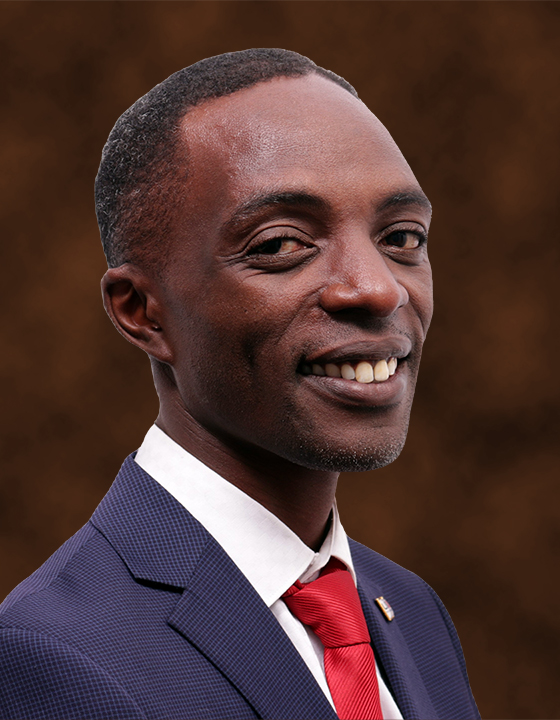
Dr. Dunstan Eugine Achwoka Tongwa

Dr. Dunstan Achwoka is a lecturer at Sul Ross State University and the Kenya Medical Research Institute (KEMRI) Graduate School, and is a public health physician with nearly two decades of experience in global health, implementation science, integrated programming (HIV, TB, MCH, Polio), and health systems strengthening. He currently serves as a Project Management Specialist with the U.S. Department of State and previously held senior technical leadership roles with USAID Kenya and East Africa, CDC Kenya and FHI 360.

He is a Kofi Annan Global Health leadership fellow and holds a PhD in Tropical and Infectious Diseases from the University of Nairobi, an MSc in Global Health from Duke University, and an MBChB from Moi University. His research focuses on non-communicable diseases among people living with HIV, HIV service integration, and primary health care strengthening, with numerous peer-reviewed publications, a book, and conference presentations.

Dr. Achwoka teaches Program Management, Monitoring and Evaluation, and Implementation Science at KEMRI, and Program Planning, Implementation, and Evaluation at Sul Ross State University, where he is committed to mentoring students and equipping them with practical, evidence-based skills to address complex public health challenges.

Dr. Achwoka is committed to preparing the next generation of public health leaders through a teaching approach that integrates academic rigor with real-world practice. Drawing on extensive experience in program design, implementation, policy development, and health systems leadership, he emphasizes problem-solving, evidence-based decision making, and application of implementation science to complex public health challenges.

He believes effective teaching extends beyond knowledge transfer to mentorship, professional development, and cultivating leadership capacity. His goal is to equip students with the analytical skills, ethical grounding, and practical competencies needed to design, implement, and evaluate programs that improve population health outcomes. He encourages students to think critically, engage collaboratively, and pursue innovative solutions that advance health equity and strengthen health systems in Africa and globally.

Dr. Husdon

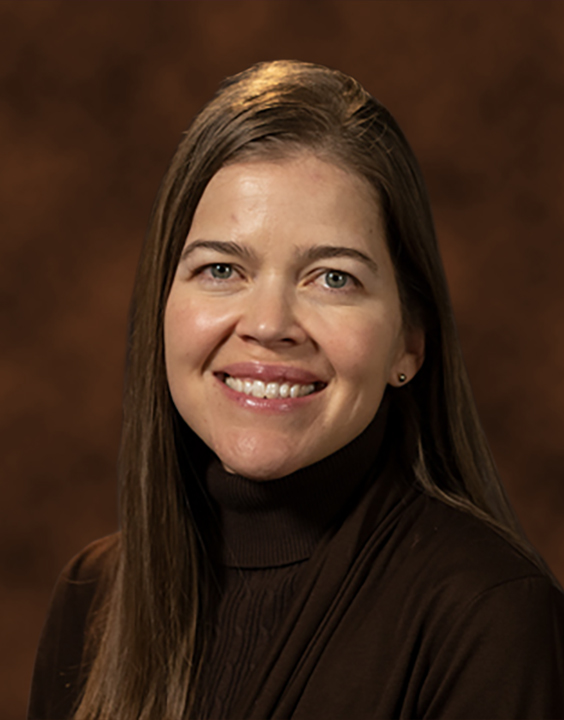
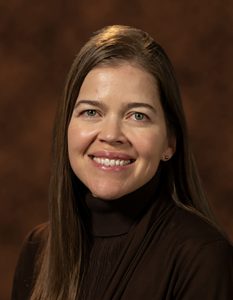
Dr. Gloria Hudson

Dr. Gloria Hudson is an Adjunct Faculty member at Sul Ross State University, where she teaches in both the Behavioral Sciences Department and the College of Health Sciences. She teaches undergraduate courses including Introduction to Psychology and Cognitive Psychology, and beginning in Fall 2026, she also teaches the graduate course PHR 5320: Principles of Health Behavior and Promotion in the Master of Science in Public Health program.

Dr. Hudson earned her Doctor of Psychology (Psy.D.) in Clinical Psychology from The Chicago School of Professional Psychology. She brings more than 20 years of combined experience in higher education, mental health, clinical psychology, and public service. Her background includes teaching psychology and behavioral science courses at colleges and universities in California, serving as a Clinical Psychologist with the California Department of Corrections and Rehabilitation (CDCR), and working as a Children’s Social Worker with the Los Angeles County Department of Children and Family Services (DCFS).

Dr. Hudson’s teaching and professional interests include health behavior theory, behavior change, mental health, health promotion, and health equity. She is committed to preparing future psychologists and public health professionals to apply evidence-based practices, think critically, and improve the health and well-being of diverse individuals and communities.

Dr. Nam

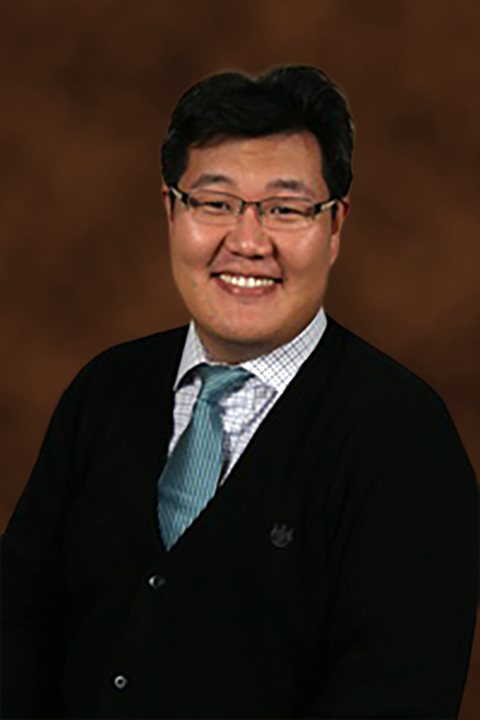
Dr. Sanggon Nam

Dr. Sanggon Nam is an Associate Professor of Public Health. With over 15 years of professional research and teaching experience, he holds a Ph.D. in Preventive Medicine & Community Health and a Master’s degree in Applied Sociology with a minor in Statistics.

Dr. Nam is a specialist in epidemiology and biostatistics. He also possesses advanced proficiency in statistical programming and data science software, including SPSS, SAS, R, and STATA.

Dr. Nam is deeply involved in academic mentorship, providing guidance to students on research design and literature reviews. In his teaching, he endeavors to equip students with rigorous quantitative skills while fostering their ability to critically analyze data to address complex public health challenges.

Dr. Rusk

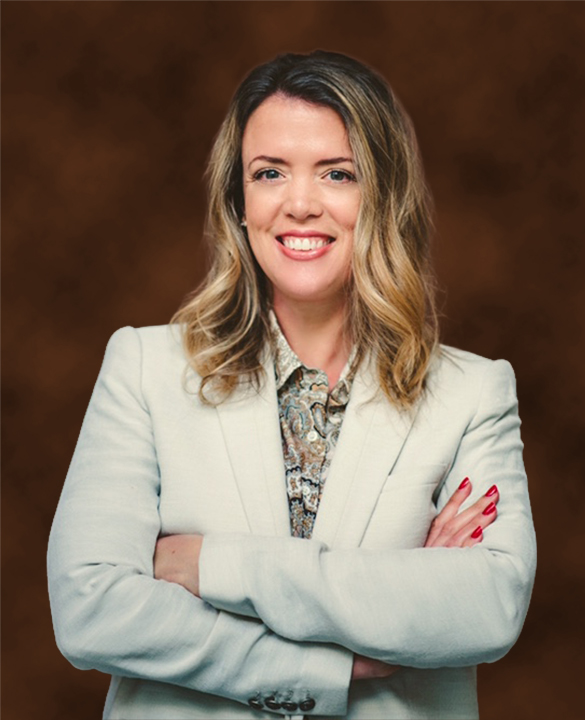
Andria Rusk, MScGH, PhD

Dr Andria Rusk is the Chair of the Health Studies Department at Sul Ross State University, and the Executive Director of Public Health overseeing the Master of Science degree in Public Health. With over 15 years of public health experience, Dr Rusk has launched and directed several public health degree programs for both private and public institutions, supporting creation, approval, and launch activities, accreditation, research development, recruitment and retention.

Dr Rusk’s research focus is tropical medicine and infectious disease, focusing on malaria research, behavioral determinants, and applying geospatial methodologies to determinant and outcome data.

Dr Rusk endeavors to encourage, mentor, and support her students’ whole person, and to support each student toward their individual purpose. She desired to impart academic rigor and the pursuit of excellence in her students, as well as to ignite and fan passions to learn, to lead, and to serve in the world and in our communities.

Dr. Velasco

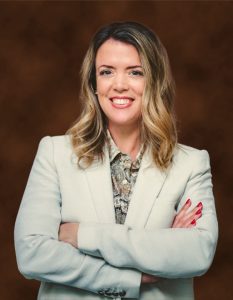
Dr. Jessica Velasco

Dr. Jessica Velasco is an Associate Professor of Political Science and Public Administration at Sul Ross State University, where she teaches undergraduate and graduate courses in public administration, public policy, and government. With a Doctor of Public Administration (DPA) degree and experience in both public service and higher education, Dr. Velasco brings a broad perspective on the ways government institutions, policies, and administrative processes influence communities and public well-being at the local, state, national, and global levels.

Dr. Velasco’s research focuses on applied scholarship that can be used to improve outcomes in public sector organizations and communities. Her work examines how policies, institutions, and administrative practices shape effectiveness, accountability, and service delivery, with an emphasis on connecting research to real-world challenges and solutions.

Dr. Velasco strives to support the development of the whole student. Drawing on her background in student affairs administration and student development, she seeks to create a learning environment that is engaging, supportive, and academically rigorous. She encourages students to think critically about the role of government, policy, and administration in shaping public health outcomes and prepares them to serve and lead effectively in their communities.