6 Reasons to Pursue a Master of Science in Environmental Sciences
Pursuing a Master of Science in Environmental Sciences is one of the most direct moves you can make if you want to advance beyond entry-level fieldwork into roles that shape policy, lead programs, and drive conservation outcomes. Many environmental science occupations show steady demand. Roles like watershed program director, federal environmental scientist, or natural sciences manager increasingly prefer candidates with graduate credentials in the applicant pool. A Master of Science in Environmental Sciences isn’t just an academic credential; it’s a career accelerator with documented research credibility. This guide walks through six reasons to pursue this degree.
What a Master of Science in Environmental Sciences actually unlocks for your career
1. Senior roles that a bachelor’s degree won’t get you
Federal agencies, consulting firms, and nonprofit conservation organizations increasingly list a master’s degree as a preferred or minimum requirement for positions like natural resources manager, environmental program analyst, and senior wildlife scientist. A BS opens doors to field-technician work. It shows valuable fieldwork experience, but it’s rarely the credential that puts you in the room where decisions get made. Graduate degrees often help qualify candidates for leading programs, managing teams, and directing multi-year conservation projects. If your goal is to shape outcomes rather than collect data for someone else, graduate school is the next step.
2. A pay gap that compounds over a career
Natural sciences managers, many of whom hold a graduate degree, earn a median annual salary of $161,180 according to BLS data. Environmental engineers at the MS level earn a median of $104,170, and hydrologists come in at $92,060. Entry-level technician roles with a BS typically fall well below those figures, and the financial case becomes difficult to dismiss. In federal government positions especially, pay grade can tie directly to degree level under OPM General Schedule qualification standards, meaning the earnings gap doesn’t just appear at year one; it carries forward and compounds across an entire career.
3. Tracks that align with real environmental demand
Specializations that match where the field is heading.
Graduate environmental science programs offer concentrations built around where hiring actually is. GIS and remote sensing feed directly into land management agencies and environmental consulting firms that need analysts who can interpret satellite data and build spatial models. Restoration ecology connects to federal and state habitat programs that continue to expand.
Matching your track to your background matters as much as picking the right school. A student with a range and wildlife management foundation is naturally positioned for restoration ecology or conservation biology. Think of specialization selection as a decision tool: align the track to your existing strengths and the career sector you’re actually trying to enter.
4. Assistantships, stipends, and tuition waivers
Many programs offer funding options that can significantly reduce or eliminate student debt. Research assistantships at U.S. universities commonly include tuition waivers and stipends. Teaching assistantships frequently cover in-state tuition and provide semester stipends. WHAT DOES SRSU/BRI OFFER?
5. Field research experience as your graduate school differentiator
The undergraduate foundation that separates competitive applicants.
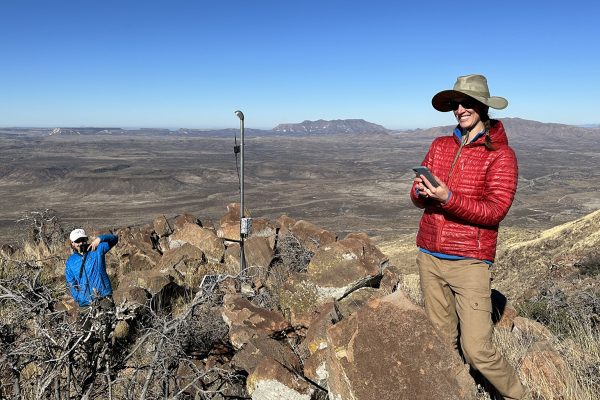
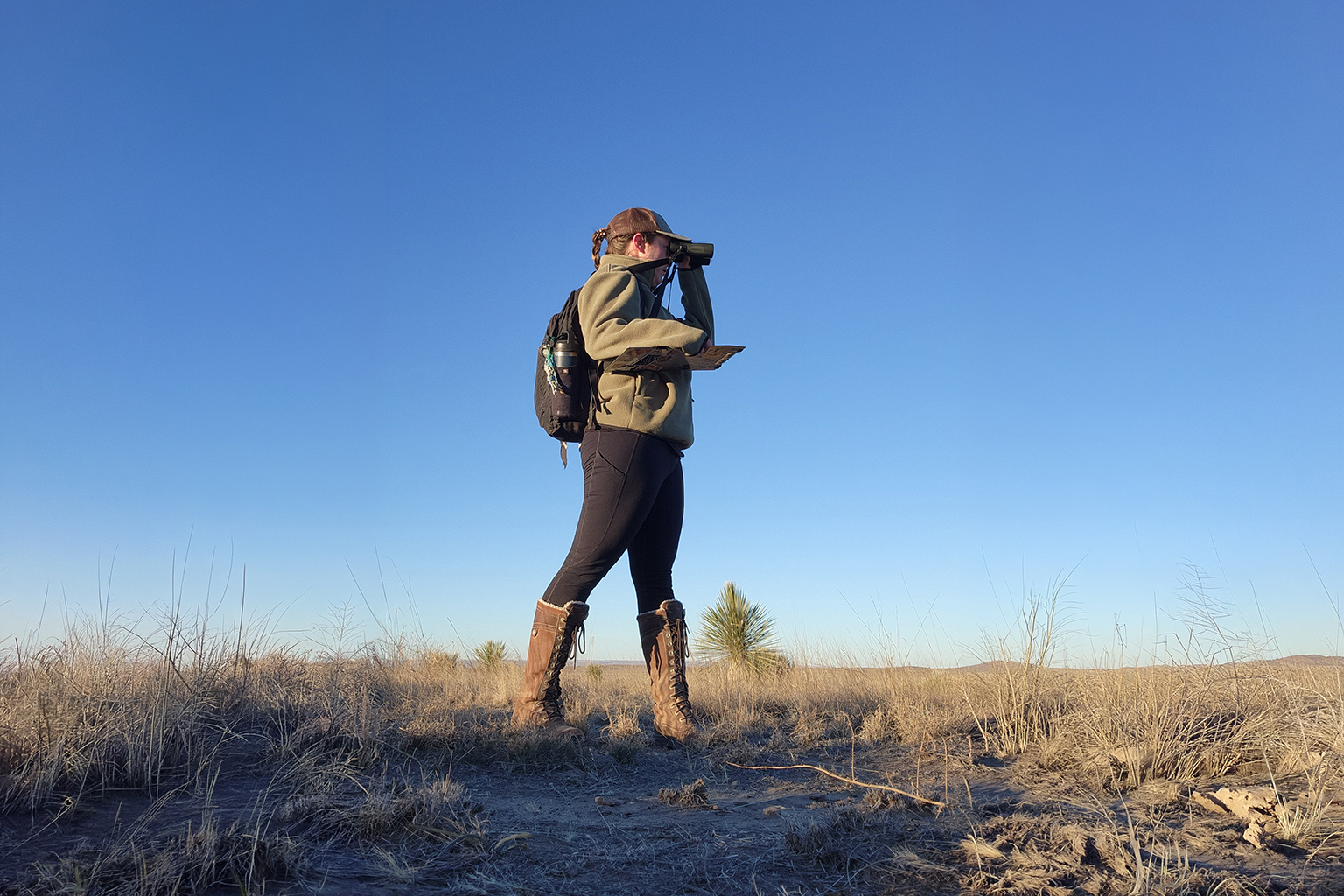
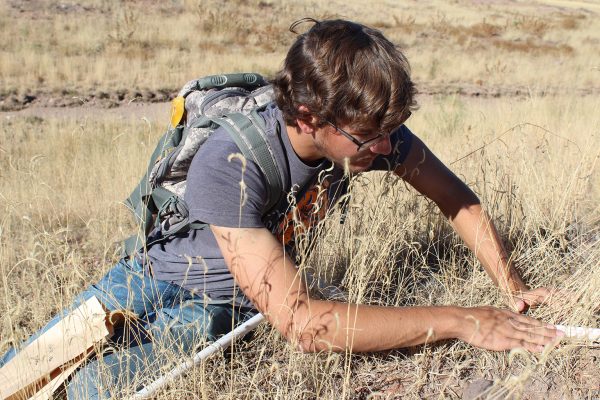
Among similar GPAs, real research experience is consistently what separates applicants. Students who have operated professional field equipment, contributed to publication-level studies, or spent meaningful time working alongside active researchers arrive at MS programs already functioning as junior scientists. GPA matters. Prerequisite coursework matters. But field research experience, like what you receive in SRSU’s BS in Natural Resource Management, is the differentiator that recommendation letters can speak to in specific, convincing terms, and that’s what admissions reviewers at research programs consistently point to as the deciding factor.
Why field-based undergraduate programs build MS-ready graduates.
The undergraduate program you choose shapes not just your knowledge, but your readiness. Programs where students work alongside researchers produce graduates who think and operate like scientists before they ever arrive at a graduate program. Sul Ross State University’s Natural Resource Management (NRM) program is built on exactly this model. Students access the Big Bend region as a living research site, have opportunities to collaborate with the Borderlands Research Institute on active conservation projects, and develop the kind of field-ready, data-literate scientific identity that graduate faculty notice. For students who want to be competitive at strong MS programs, the undergraduate years are not preparation for the real experience; they are the real experience, and Sul Ross NRM prepares you.
6. A checklist for picking the right MS program
How to choose the right Master of Science in Environmental Sciences program.
Start with these decision criteria before you look at rankings or location:
- Specialization matches your background and target sector
- Faculty research alignment (your advisor matters more than the school’s name)
- Delivery format for field or lab access
- Funding availability by program type
Once you’ve narrowed your list, your application will need the following:
- A bachelor’s degree in a related science field (environmental science, biology, geology, natural resource management, or similar)
- A GPA of 3.0 or above
- Prerequisite coursework in biology, chemistry, and calculus or statistics
- A strong statement of purpose that connects your specific experience to a specific faculty member’s research
- At least two letters of recommendation from people who can speak to your research capacity
- A resume or research statement where required
GRE requirements vary. Many programs, like Sul Ross, have waived or made the exam optional, so check each program’s requirements.
Questions to ask faculty before you commit
Reach out to potential faculty advisors before you submit an application. The questions that reveal the most are specific ones: Is your lab currently accepting funded graduate students? What does a typical week of research look like in your program? Where have your recent MS graduates landed? Those questions tell you more about fit, funding reality, and career outcomes than any rankings list or program website. Faculty who respond thoughtfully and promptly are usually the ones who will actually mentor you once you arrive.
Start building your graduate application now
The undergraduate years carry more weight in this decision than most students realize. Programs that provide genuine field research experience, professional equipment access, and close faculty mentorship don’t just prepare students academically; they give applicants the stories, skills, and references that make graduate applications competitive. If you’re still in undergrad, the time to be deliberate about that experience is now.
A Master of Science in Environmental Sciences is a strategic investment with documented returns in career access, earning power, and scientific credibility. The right program depends on matching format, specialization, funding availability, and faculty alignment to your specific goals. No single program is universally best, but the one that fits your trajectory is genuinely worth pursuing.

You may also like
Stay Connected With Us!
PhD in Range and Wildlife Sciences