Natural Resource Management Careers
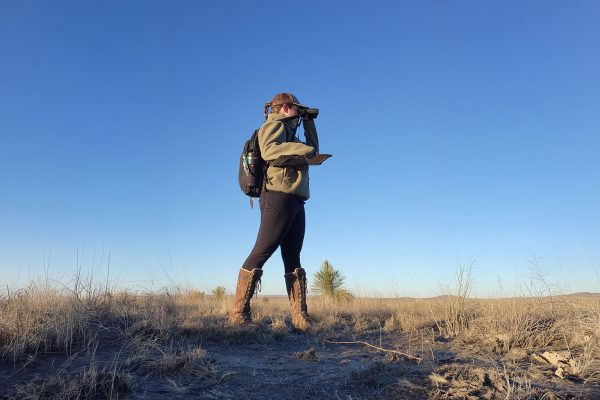
Most people picture a wildlife biologist standing in a field with binoculars when they think about natural resource careers. The reality is far broader. Professionals in this field work for state and federal agencies such as the Texas Parks and Wildlife Department, U.S. Fish and Wildlife Service, USDA Natural Resources Conservation Service, and National Park Service. Others build careers with conservation nonprofits like the Texas Wildlife Association and American Bird Conservancy, environmental consulting firms, ranch management operations, universities, and research institutions. These careers extend well beyond traditional wildlife management, encompassing habitat restoration, soil science, spatial data analysis, regulatory compliance, and scientific research. And they often offer stronger salaries and more diverse career paths than most prospective students expect.
Natural resource management is an accessible career. Entry-level positions exist for candidates with a four-year degree and documented field experience, and the pipeline from undergraduate research to full-time employment is more direct than in many other science fields. Graduates from programs like Sul Ross State University’s Natural Resource Management program, who conduct real wildlife and habitat research through the Borderlands Research Institute across the Chihuahuan Desert, arrive at that pipeline with top-notch credentials.
Careers and Job Titles
Natural resource management careers divide into three working tiers: field science, land and resource management, and technical specialization. Knowing which tier fits your interests and skills is the first step toward targeting the right positions.
Field Science Roles
Wildlife biologists study animal populations and their habitats, monitoring species in the field, developing management plans, and working with stakeholders. Range and soil scientists monitor soil health, evaluate vegetation cover, and help landowners manage these resources for human and wildlife benefit.
Land and Resource Management Roles
Park rangers protect natural resources within park boundaries, enforce regulations, and deliver visitor education programs. Environmental conservationists work at a broader strategic scale, determining land-use approaches that minimize biodiversity damage and building conservation plans for specific landscapes. These roles demand strong communication skills alongside field competence, since much of the work involves coordinating across agencies, landowners, and local communities.
GIS and Other Technical Roles
GIS technicians create and maintain spatial databases, produce custom maps for land management decisions, and generate geographic analyses that inform field operations. Natural resources technicians serve as broad support professionals, assisting with management plans, collecting field samples, or presenting data to policymakers. Technical roles generally command higher starting salaries than generalist positions, and that gap grows more pronounced at the mid-career and senior levels.
What Natural Resource Careers Actually Pay
Salary expectations vary by specialization and location. The figures below reflect national median figures sourced from Bureau of Labor Statistics occupational data in 2026 and give you estimates to benchmark, though regions and different qualifications may vary.
Entry-level Salary Benchmarks
Salary expectations vary by specialization and location. Entry-level natural resource management roles have starting salaries around $45,000 per year nationally, depending on employer type and location. State salaries vary considerably, which signals how much geography matters when you’re comparing positions. Bureau of Labor Statistics occupational data from 2026 indicate that mid-level roles average $69,000 for conservation scientists average $69,000 and $80,000 for environmental scientists.
Education and Experience Requirements
The entry point for most natural resources management jobs is a bachelor’s degree in natural resource management, environmental science, wildlife biology, or ecology. Mid-career and specialized roles often require a master’s degree, particularly for resource managers and advanced regulatory positions. State agencies frequently require a bachelor’s degree plus one to two years of verified field experience for specialist-level designations.
Experience that Separates Candidates
Most entry-level postings don’t require prior professional work history, but employers consistently favor candidates who arrive with real experience rather than just a degree. Expertise that matches the position you are seeking is important. If you want to work on private lands or a wildlife refuge, experience with trailers, herbicides, and heavy machinery is valuable. If you want to work for an agency, experience in communication and technical skills like GIS software can give you an advantage.
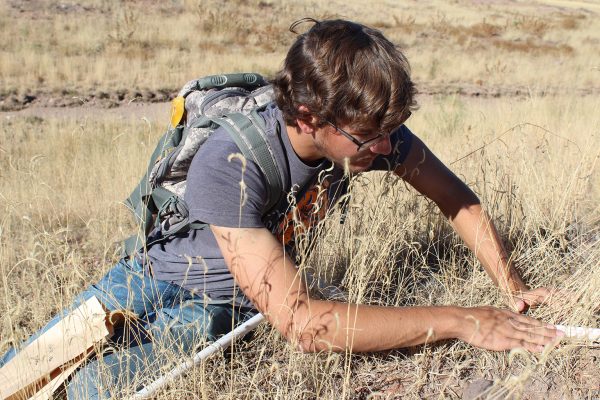
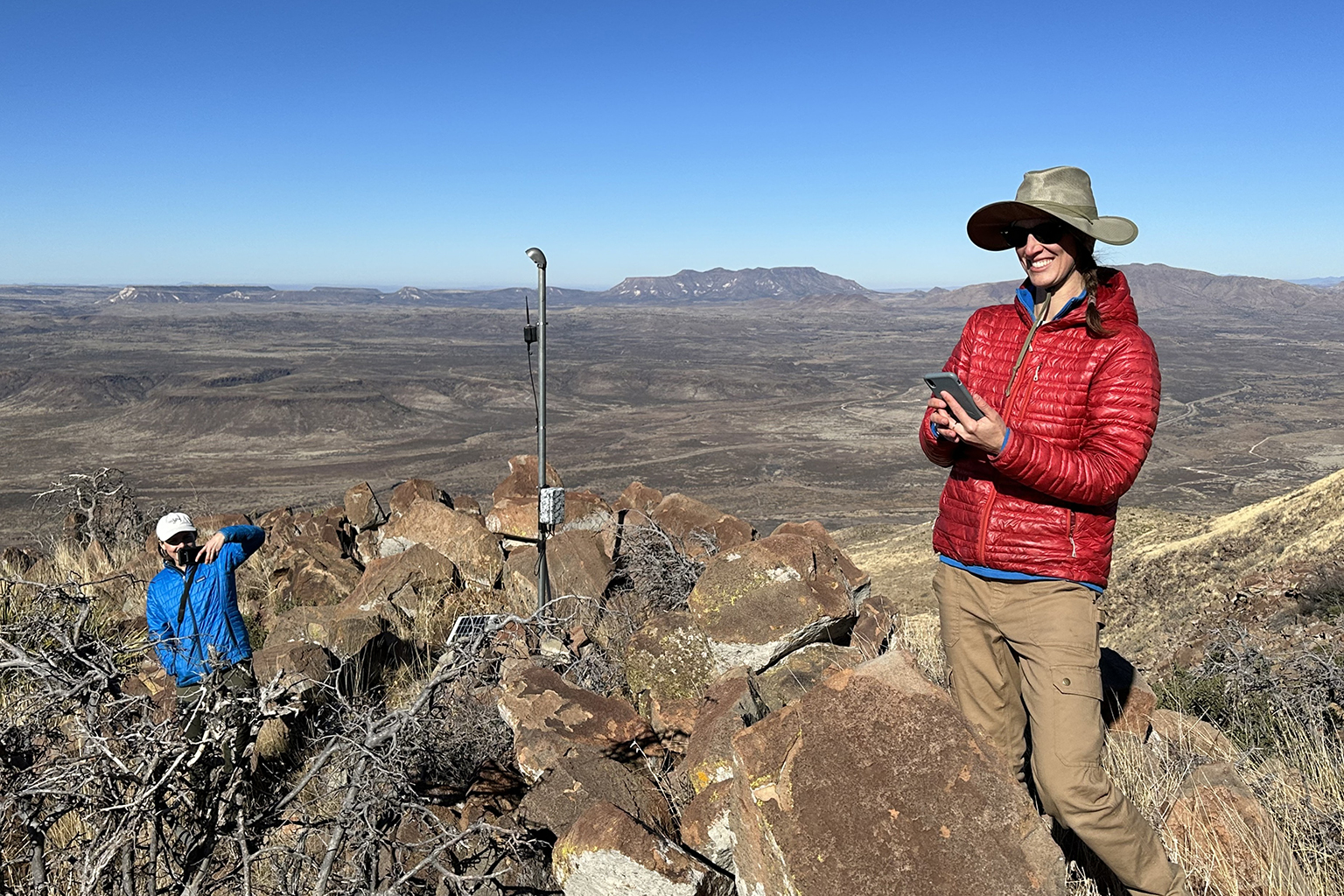
This is exactly where undergraduate opportunities matter. Sul Ross State University’s NRM students have the opportunity to work with the Borderlands Research Institute during their undergraduate years in the BUMP program, and volunteer to assist with wildlife surveys, vegetation monitoring, and big game captures across the Chihuahuan Desert’s most ecologically complex terrain. They present findings at research symposiums and gain exposure to the scientific process. Many BRI mentorship participants go on to graduate programs. The rest enter the job market with work experience most entry-level candidates don’t have.
Geospatial and Data Analysis Skills
GIS is consistently described by hiring managers across federal and nonprofit employers as making candidates “more desirable.” Beyond basic mapping, remote sensing, geospatial programming, and mobile mapping, workflows are becoming standard components of field operations rather than specialized add-ons. Natural resource professionals with these technical skills position themselves at the intersection of two growth fields at once.
Job Boards
To examine jobs that are available in this field, you can check out:
- USAJOBS, search Bureau of Land Management, National Park Service, U.S. Fish and Wildlife Service, or NRCS
- TPWD Careers in the Wildlife Division, or other state agency job boards
- The Wildlife Society’s Career Center
- Society for Ecological Restoration’s Jobs Board
- Texas A&M University’s Natural Resources Job Board
Build the Skills First, Then Pursue the Jobs
What separates candidates who advance quickly from those who stall at the application stage is the quality of real experience they bring to the table before they ever submit a resume.
Programs that embed students in genuine research environments, like the Borderlands Research Institute collaboration at Sul Ross State University’s NRM program, aren’t simply resume boosters. They produce graduates who have already operated in the conditions the job demands: remote terrain, field equipment, data collection, and collaboration with experienced scientists on projects with real conservation stakes. That hands-on foundation is exactly what hiring managers across federal agencies and nonprofits consistently say they’re looking for.
Whether you’re a high school senior mapping out a wildlife biology degree, a transfer student looking for a program with field depth, or a working professional considering a credential upgrade, the path into natural resource careers is clearer than most people realize. Define your niche, build credentials that match it, and apply where the right employers are looking.

You may also like
Stay Connected With Us!