PhD in Range and Wildlife Sciences
A PhD in range and wildlife sciences is more than the next credential on a resume. It’s a 3+ year research commitment that shapes the work you do for the rest of your career, the ecosystems you study, and the professional community to which you belong. Whether you’re aiming for a faculty position at a university, a research role with a state or federal agency, or a leadership seat at a major conservation institute, a PhD can help unlock those doors.
This guide covers the programs the value of a PhD, what admission committees require, how doctoral funding works in practice, and what separates a competitive application from one that gets passed over. By the end, you’ll have a clear shortlist strategy and a concrete application framework you can start building today.
What a PhD in Range and Wildlife Sciences Covers
These programs are research degrees above all else. The dissertation is the central product of your doctoral work. Coursework builds your theoretical foundation, but your advisor and committee will mentor and evaluate your ability to design and execute original research that advances the discipline.
The Scope of Doctoral Research in this Field
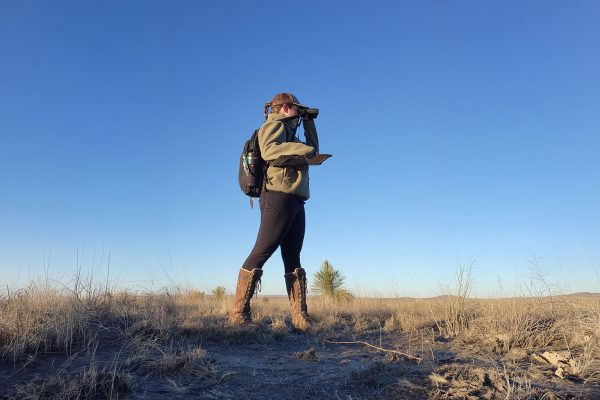
Common research emphases in rangeland and wildlife doctoral programs include rangeland ecosystem dynamics, wildlife population ecology, habitat conservation and restoration, watershed management, and the intersection of land use with conservation biology. Most programs blend fieldwork, statistical modeling, and laboratory analysis across a dissertation that typically spans three to five years of active data collection and writing. Sul Ross State University’s program is anchored in West Texas ecosystems with work that centers on the Chihuahuan Desert.
Why Consider a Trilateral PhD in Texas
Admission Requirements Across Programs
The requirements for admission are more consistent across the three universities than most applicants expect, but one variable separates competitive candidates from the rest more reliably than any other factor: demonstrated research experience.
GPA, GRE, and Degree Prerequisites
The baseline GPA minimum across most programs is 3.0 on a 4.0 scale, though admitted students at competitive programs typically carry above 3.5 for their final semester hours. The GRE is no longer required at most programs, with many departments moving to a holistic review that doesn’t consider standardized test scores. Some individual advisors still request scores, so ask the faculty with whom you would like to work.
What Your Application Materials Need to Include
The standard doctoral application package includes 2-3 letters of recommendation, a statement of purpose that names specific faculty and connects your research interests to their active work, a current CV, official transcripts, and proof of English proficiency for international applicants. The statement of purpose is important. A generic statement that reads like a graduate school template won’t move your file forward; a specific statement that references a faculty member’s published work, articulates a genuine research question, and explains why this program is the right place to answer it will.
Contact potential advisors before you apply. In rangeland and wildlife sciences, advisor confirmation is an informal prerequisite for a competitive application. Reaching out a few months before the deadline (typically 2-4 months in advance), identifying yourself clearly, referencing a specific project or paper of theirs, and asking directly whether they’re accepting PhD students for the next cycle is an expected and standard practice in the field.
Matching a Program to Your Research Focus
The program name matters less than the faculty advisor you work under and the alignment between their active research and your dissertation question. Before ranking programs by reputation, look at faculty publications from the last three years, active grant titles, and the projects their current graduate students are working on. A well-matched advisor at a mid-tier program will produce a better dissertation than a misaligned placement at a flagship institution.
The Research Experience Variable
In a PhD program, you will be expected to have a strong foundation of knowledge and experience in the field of natural resources. The candidates who stand out have worked on real projects: multi-season fieldwork, publication-level data collection, or contribution to ongoing conservation research under direct faculty supervision. Applicants should have a Master of Science in natural resource management or a related field; applicants who only hold a Bachelor of Science are considered only in exceptional cases. Overall, advisors are looking for students who have collected real data, worked alongside professional researchers, developed field methods, and are ready to think about the why of science, not just the how.
How PhD Funding Works in Wildlife and Rangeland Programs
Most competitive PhD programs in this field offer admitted doctoral students funded assistantships. A program that does not have secured funding should prompt serious questions about student support – in this field, unfunded admission is uncommon, and a funded offer is a reasonable benchmark to hold out for. Understanding how assistantship structures work before you apply lets you evaluate offers clearly.
Assistantship Types: TA, RA, and GA Explained
Research assistantships (RA) connect directly to faculty grant funding and typically align with your dissertation topic, making them the strongest professional development opportunity of the three types. Teaching assistantships (TA) cover instruction, lab sections, and grading; broader graduate assistantships (GA) mix those duties depending on departmental need. Fellowships exist as competitive supplements but aren’t the primary funding vehicle for most doctoral students in wildlife and rangeland graduate study.
What Stipends and Tuition Support Actually Look Like
Annual stipends for 10-12 month appointments in rangeland and wildlife doctoral programs typically fall in the $20,000-$35,000 range, based on posted assistantship listings across programs. Additionally, full tuition remission is common with funded assistantships at most programs, but you should confirm what is included before you commit to any offer.
Building a Doctoral Application that Gets Noticed in Range and Wildlife Sciences
By the time most PhD applicants reach the shortlist stage, their GPAs are similar, and their recommendation letters say comparable things. The real differentiator is almost always demonstrable field research experience paired with a statement of purpose that proves intellectual alignment with a specific advisor’s work.
Why Field Research Experience is the Real Differentiator
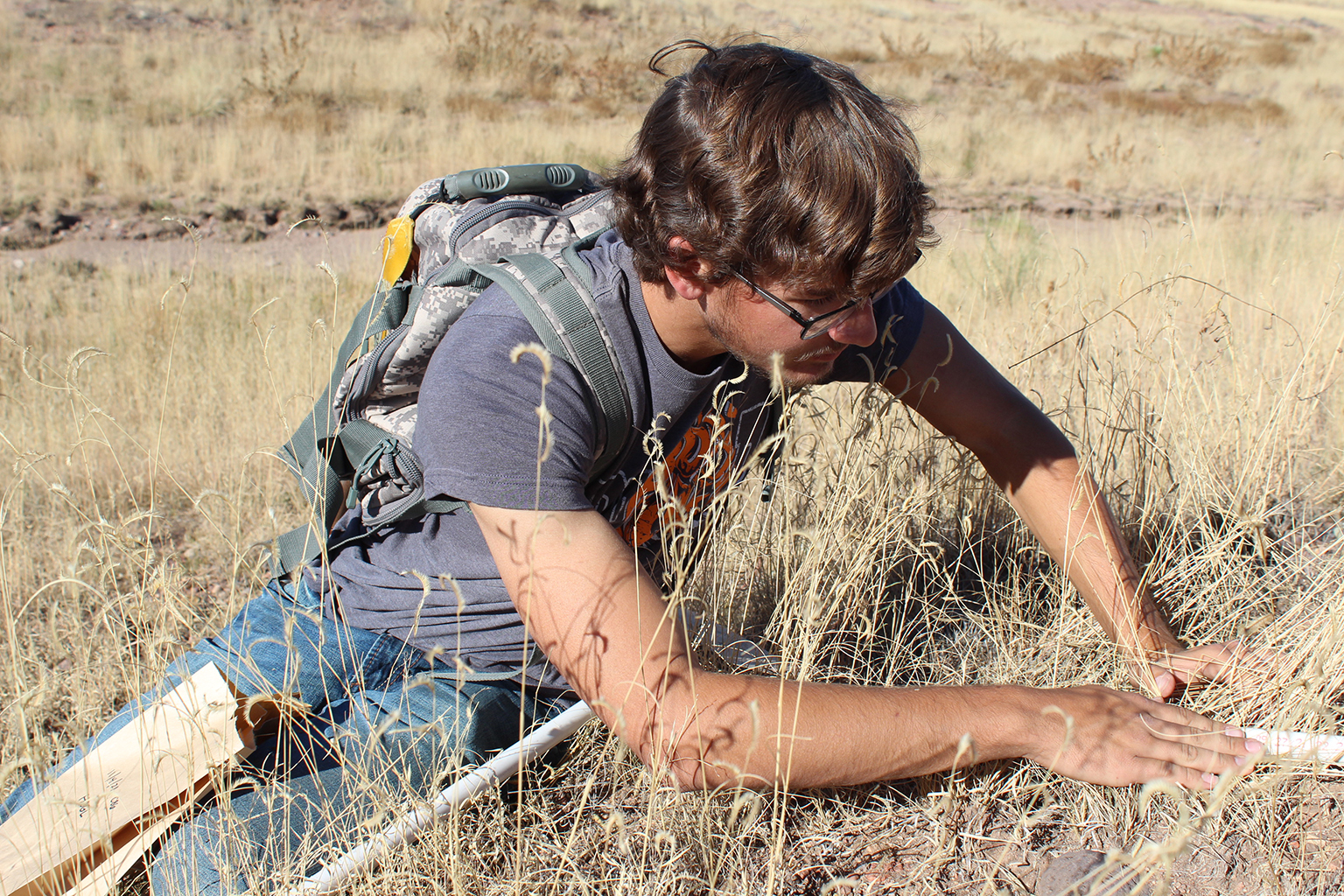
Doctoral committees are evaluating one core question: can this person execute independent research? Coursework demonstrates you can learn; research experience demonstrates you can produce. The strongest applicants can name a project they worked on, describe the specific methods they used, explain the data they collected, and articulate what the results meant for the broader research question. That narrative signals doctoral readiness in a way that a strong GPA alone cannot.
How Undergraduate Research Programs Shape Doctoral Readiness
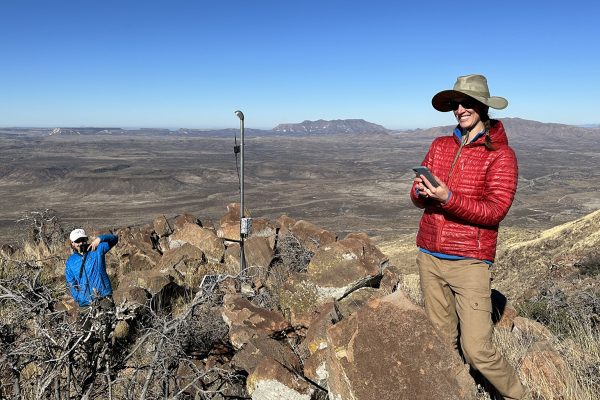
Programs that embed undergraduate and master’s degree programs in active field research create pathways to a PhD by cultivating fluency in field protocols, data management, and scientific communication. Sul Ross State University’s Natural Resource Management program delivers that preparation through its Borderlands Research Institute collaboration, where students conduct conservation research in the Chihuahuan Desert alongside professional researchers. Undergraduates who join the Borderlands Undergraduate Mentoring Program develop skills that many applicants only acquire during a master’s program. On an application, this distinction is visible: naming specific projects, target species, and research questions in a statement of purpose tells PhD faculty precisely what kind of candidate they’re reviewing.
Building Your Application Checklist
Work through this sequence in priority order before sending a single application:
- Identify 3-5 target programs based on faculty research alignment, not program rankings alone
- Contact potential advisors directly, 2-4 months before the next semester or the announcement deadline, with a brief and personalized inquiry
- Request recommendation letters from research supervisors and field mentors, not only course instructors
- Tailor each statement of purpose to a specific faculty member’s published work and current projects
- Confirm funding is included in any admission offer before committing to a program
Career Outcomes After Earning a PhD in Range and Wildlife Sciences
A PhD in rangeland and wildlife sciences represents a serious investment. The return depends on the path you pursue, but the credential opens doors that remain closed to candidates without it. Faculty positions at universities and research scientist roles with state and federal agencies are the traditional doctoral endpoints. These roles require both the PhD credential and a publication record built during the dissertation years. Nearly all tenure-track faculty positions will also require a postdoctoral appointment, which serves as a bridge between the dissertation and a permanent faculty or senior scientist position. Large conservation organizations also recruit doctoral graduates for science director and landscape program leadership roles. PhD holders in this field often qualify for senior positions with greater responsibility and broader scope than comparable master’s-level roles.
Frequently Asked Questions About PhD Programs in Range and Wildlife Sciences
Is Funding Guaranteed for PhD Students in These Programs?
Funded assistantships are standard, but they are tied to advisor grants or departmental allocations rather than guaranteed by the institution. Secure a specific funded offer in writing before committing, and treat any unfunded admission as a reason to ask hard questions.
When Should I Contact Potential PhD Advisors?
Reach out 2-4 months before the application deadline or start of the next semester. Keep your initial message brief: introduce yourself, reference a specific paper or project of theirs, and ask whether they are accepting doctoral students for the upcoming cycle. This is standard practice, not a presumption. Reaching out early is common. Even if you are still an undergraduate, talk to faculty about your goals. In some cases, these conversations can lead to graduate school opportunities. In other cases, you might realize that an advanced degree isn’t the right path for you just now.
What Makes a Competitive PhD Application in This Field?
Documented field research experience is the single strongest differentiator. Beyond GPA and letters, committees want evidence you can execute independent research. A statement of purpose that names specific methods you’ve used, data you’ve collected, and a research question you want to pursue will move your file further than a well-written but generic statement.
Where to Go From Here: PhD in Range and Wildlife Sciences
A PhD in range and wildlife sciences rewards applicants who enter with real research experience, a clear faculty target, and confirmed funding in hand. Programs exist across the country, the funding is available to competitive candidates, and the career paths are both meaningful and durable. What distinguishes the strongest applicants is almost always what they built before they applied: field seasons logged, data collected, and genuine working relationships with faculty researchers.
Build that foundation deliberately. If you’re still deciding where to develop those credentials, Sul Ross State University’s NRM program offers direct access to Borderlands Research Institute fieldwork in one of North America’s most ecologically significant landscapes. That experience translates directly into the kind of doctoral application that gets read carefully. Reach out to potential advisors early, target programs where your research interests genuinely align with active faculty work, and treat the application process as a research project in its own right.

You may also like
Stay Connected With Us!